No products in the cart.


People searching for cheap peptides for sale are often told to compare the vial price, choose the highest advertised purity, and place the order. That advice is incomplete. A low price can reflect efficient synthesis, high-volume production, or a supplier willing to keep margins modest. It can also reflect missing tests, recycled paperwork, poor storage, or a product that doesn't match its label.
The key question isn't “Who sells the cheapest peptide?” It's “Which supplier can prove that the low-priced material is correctly identified, properly documented, and traceable to a specific batch?” This guide applies that procurement mindset to research peptides, peptide compounds, blends, and related laboratory materials. It also explains what research use only means, why HPLC and LC-MS should be assessed together, and which documents deserve scrutiny before you buy.
The price tag is the least informative number on a peptide product page. Two suppliers can list similar prices while operating very differently behind the scenes. One may reduce cost through repeat synthesis runs, automation, efficient fulfillment, and sensible margins. The other may reduce cost by removing independent testing or relying on generic documentation.
That difference matters because a failed purchase creates costs beyond the vial. A laboratory may need to repeat an experiment, investigate an unexpected result, replace contaminated material, or explain an inconsistent batch record. For a procurement team, the cheapest invoice isn't necessarily the lowest total cost.
A credible bargain should survive document review. Start with the information connected to the exact lot you're considering:
A high purity number without identity data is weak evidence. A polished PDF without a lot number is weak evidence. A low price supported by complete, coherent records is much more interesting than a dramatic discount supported by marketing copy.
Practical rule: Treat every low price as a prompt to verify the process, not as proof that you've found value.
Readers comparing peptide compounds for research, recovery discussions, or broader educational purposes may also find these Thermo Recovery Wear peptide insights useful for background context. General information about peptide treatments should never replace product documentation or appropriate professional and regulatory review.
This article takes a straightforward position. Cheap peptides are worth considering only when the supplier makes verification easy. If the seller avoids basic questions about the lot, methods, or testing laboratory, the low price is probably compensating for uncertainty.
Peptides now sit inside a substantial life-sciences market, not a tiny specialist niche. One forecast valued the global peptide therapeutics industry at US$45.3 billion in 2024, while another estimated the market at US$46.4 billion in 2024, as reported in Transparency Market Research's peptide therapeutics market overview. The same market coverage projects growth from USD 164.0 billion in 2026 to USD 294.6 billion by 2033, at an 8.7% CAGR. Those figures are forecasts and estimates, not a guarantee for any individual supplier or product.
That scale helps explain why buyers see many different offers for similar sequences. Commercial demand supports specialized manufacturing, distribution networks, contract synthesis, analytical laboratories, and inventory models. Some suppliers can lower prices because their production and purchasing systems are efficient.
A lower price can make sense when the supplier has a repeatable operation. Common legitimate cost drivers include:
The market also creates room for less credible savings. A seller may use relabeled material, white-label stock from an unclear source, or generic documentation that doesn't correspond to the product in front of you. A discount can also reflect skipped or limited third-party testing.
| Cost Driver | What It Means | Quality Impact |
|---|---|---|
| Repeat synthesis | The supplier produces a familiar sequence through an established workflow | May reduce cost without reducing quality, if batch testing remains complete |
| Bulk purchasing | Raw materials and production inputs are acquired efficiently | Can support lower pricing, but documentation still matters |
| Standard formulation | The product uses a conventional research format | Usually simpler to handle than a customized or modified sequence |
| Limited documentation | The listing provides little evidence beyond a headline purity number | Increases uncertainty about identity, lot consistency, and impurities |
| Anonymous sourcing | The seller doesn't clearly identify manufacturing or testing arrangements | Makes traceability difficult and should be treated as a serious concern |
A large market doesn't make every seller reliable. It does mean buyers have enough legitimate alternatives to reject listings that won't provide basic evidence. Affordability is credible when operational efficiency explains it. It becomes suspicious when missing quality controls explain it.
Research use only, often abbreviated RUO, is not a purity grade. It isn't a certification that a vial is safe, sterile, biologically active, or suitable for administration. It describes the intended research distribution context and places clear limits on how the product may be represented and used.
Products labeled “research use only” or “not for human consumption” aren't automatically outside FDA enforcement. The United States Anti-Doping Agency's explanation of research chemicals notes that the FDA can still treat products as unapproved drugs when website content, marketing, or other evidence indicates intended human use.
The label also won't rescue a seller whose surrounding claims suggest consumer injection or dosing. In a specific FDA warning letter involving Gram Peptides, the agency stated that research-use-only labeling didn't outweigh evidence that peptide products were intended for human use.
For a buyer, the label should trigger careful interpretation:
Independent consumer-health coverage similarly explains that research-only peptide labels are not FDA approval for human administration or medical treatment. Healthline's explanation of research chemicals and FDA-approved peptides describes the label as a legal positioning statement, not proof of safety or regulatory clearance.
A buyer should therefore separate two questions. What legal and marketing category does the product occupy? And what analytical evidence supports what is inside the vial? RUO helps answer the first question. It doesn't answer the second.
The National Consumers League warning about self-injecting research-grade peptides reinforces that RUO peptides are intended for laboratory testing and not human consumption. That distinction matters for retail shoppers who encounter peptides in weight-loss, fat-loss, recovery, anti-aging, or muscle-growth discussions. Educational interest in the benefits of peptides doesn't change the product's regulatory status or make an unapproved research material a medicine.
A legitimate research-peptide purchase should begin with documents, not a checkout button. The minimum useful package is a Certificate of Analysis, a batch-specific HPLC trace, and mass spectrometry data. Each answers a different question, and none should be treated as a complete substitute for the others.
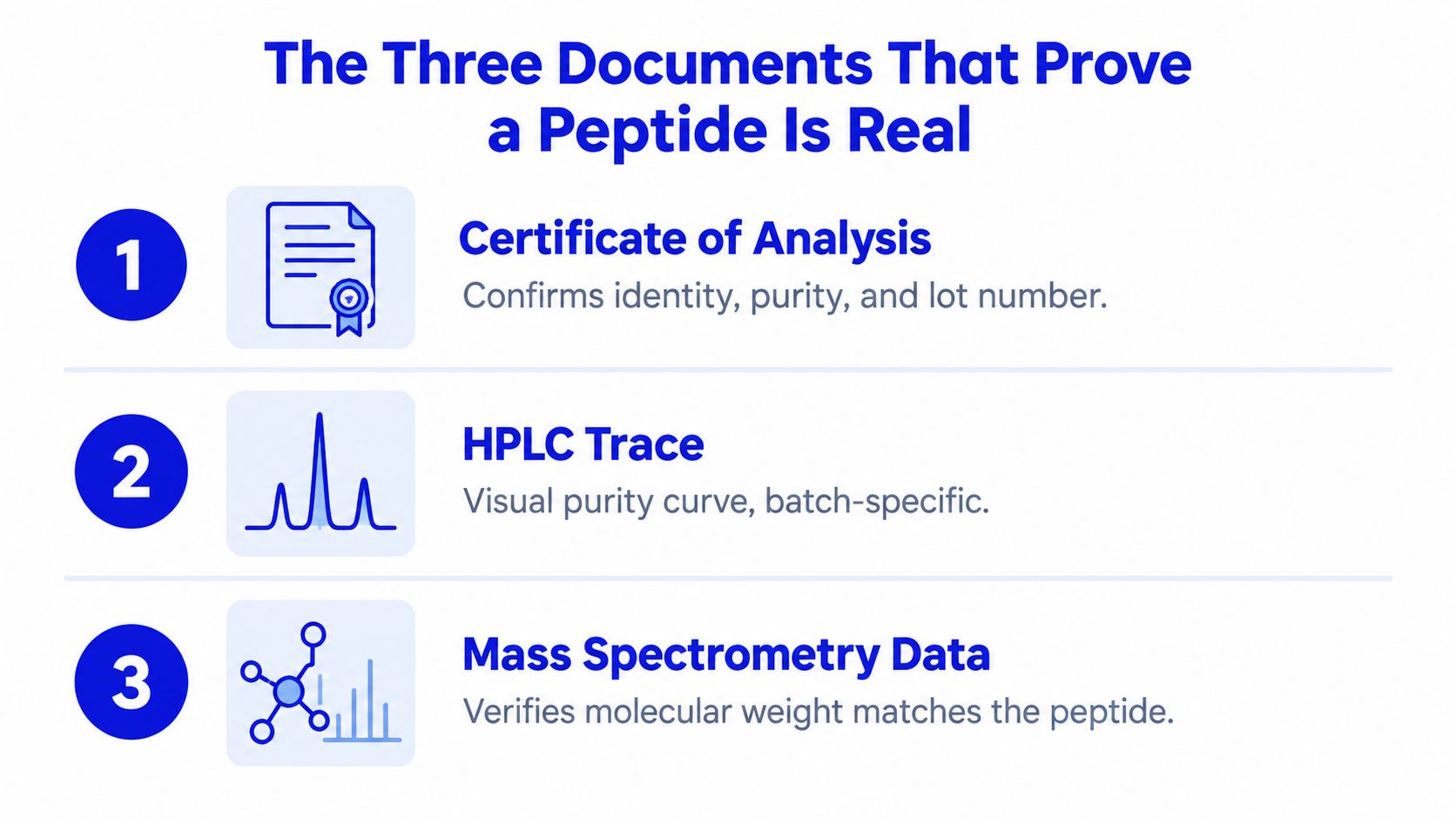
A Certificate of Analysis should connect the product to a defined lot. Look for the peptide name, lot number, test date, reported methods, results, and the identity of the testing laboratory where available. The document should correspond to the product page and the vial label.
A COA can organize the evidence, but it doesn't automatically make every result credible. A generic template, missing lot number, inconsistent product name, or date that doesn't align with the listed batch should stop the purchase until the supplier explains the discrepancy.
High-Performance Liquid Chromatography separates the main peptide peak from related substances and other components. It can support a reported purity percentage and show whether the chromatogram looks consistent with the stated material.
HPLC still has limits. Closely related impurities can co-elute with the target compound, allowing a sample to appear acceptable while its impurity profile remains uncertain. The Peptide Journal explanation of HPLC and mass spectrometry notes that combined workflows can reveal low-level impurities below 0.1% of the total sample. That matters because deletion sequences, oxidation products, deamidation, and related variants can affect a research result even when a headline purity number looks attractive.
Liquid Chromatography-Mass Spectrometry, or LC-MS, adds identity evidence by assessing molecular mass and separating compounds before mass analysis. It helps answer whether the material's observed mass is consistent with the expected peptide.
Neither HPLC nor LC-MS proves biological activity, long-term stability after shipping, or every possible contamination risk. Buyers may need separate microbial, endotoxin, residual solvent, or other testing depending on the intended laboratory application. The value of the three-document package is that it reduces the chance that one attractive number will carry more weight than it deserves.
HPLC and LC-MS aren't interchangeable tools. HPLC primarily helps quantify the relationship between the principal peak and detected impurities. LC-MS helps confirm whether the detected material has the expected molecular mass and can expose compounds that a simple chromatographic percentage may not identify clearly.
CertA Peptides' comparison of HPLC and mass spectrometry explains that validated HPLC-UV remains the compendial approach for percentage purity, while LC-MS is needed to confirm identity and investigate co-eluting impurities. It also notes that impurity peaks above about 0.3% may require separate assessment during method development. That threshold is a method-development consideration, not a universal pass or fail rule for every peptide.
| Attribute | HPLC | LC-MS |
|---|---|---|
| Primary question | How much of the sample appears in the main separated peak? | Does the observed molecular mass match the expected peptide? |
| Main strength | Separates and quantifies related components | Supports molecular identity and detects mass differences |
| Typical evidence | Chromatogram, retention time, peak integration | Mass spectrum, observed mass, chromatographic coupling |
| Main limitation | Closely related species may co-elute | Similar masses may still require adequate separation |
| Buyer use | Evaluate batch purity and separation profile | Check identity and investigate unexpected species |
A supplier that gives only HPLC may be offering useful but incomplete evidence. A supplier that gives only an MS image may show identity support without demonstrating the purity profile. Orthogonal testing is stronger because the methods answer different questions.
Look closely at the underlying report. A credible HPLC trace should identify the sample or lot and show enough method information to interpret the result. An MS report should make the expected and observed mass understandable. A screenshot with no sample identifier, no date, and no connection to the product listing is not equivalent to a batch report.
A purity percentage tells you how the method classified the sample. It doesn't, by itself, tell you whether the correct peptide is present.
The absence of either method should be priced as uncertainty. That doesn't automatically prove the material is wrong, but it does mean the buyer is being asked to accept a weaker verification package.
Bad peptide purchases often reveal themselves before checkout. The warning signs aren't hidden in advanced chemistry. They're usually visible in the product page, the supplier's response, or the relationship between the label and the paperwork.
Independent coverage of the counterfeit peptide problem has reported issues including fake COAs, incorrect peptide identity, low actual purity, endotoxin contamination, heavy metals, and microbial contamination. The Peptide Journal coverage of the counterfeit peptide problem is a useful reminder that “research use only” doesn't solve a verification failure.
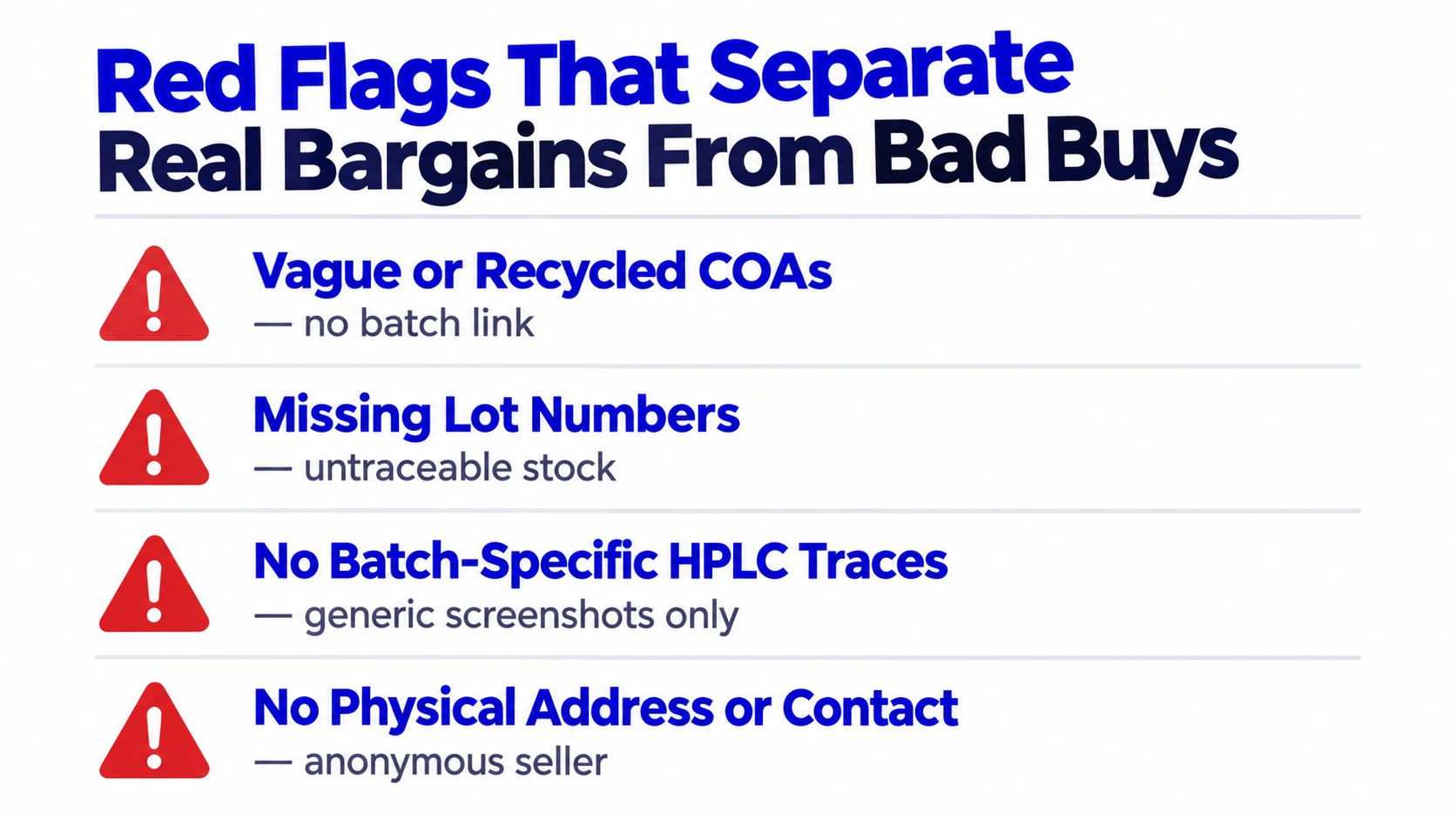
Use this quick filter:
A COA dated months before the listed synthesis or release date is another straightforward inconsistency. So is a product page that promises a specific purity level while the attached report names a different peptide or uses a different lot.
An efficient supplier can explain its documents without turning the conversation into a sales pitch. Ask whether the test report is batch-specific, whether the testing is internal or independent, and what additional data are available for the application.
You don't need a dramatic accusation when a listing looks weak. Record the missing evidence and move on. The market contains enough legitimate options that buyers shouldn't spend time persuading an anonymous seller to provide basic traceability.
A cheap vial with clear records can be a sensible procurement choice. A cheap vial with no lot linkage, no identity confirmation, and no responsive support is a different category entirely.
Run this checklist before paying for any peptide, blend, or related research compound. It works for a first-time buyer and for a laboratory that already has approved vendors.
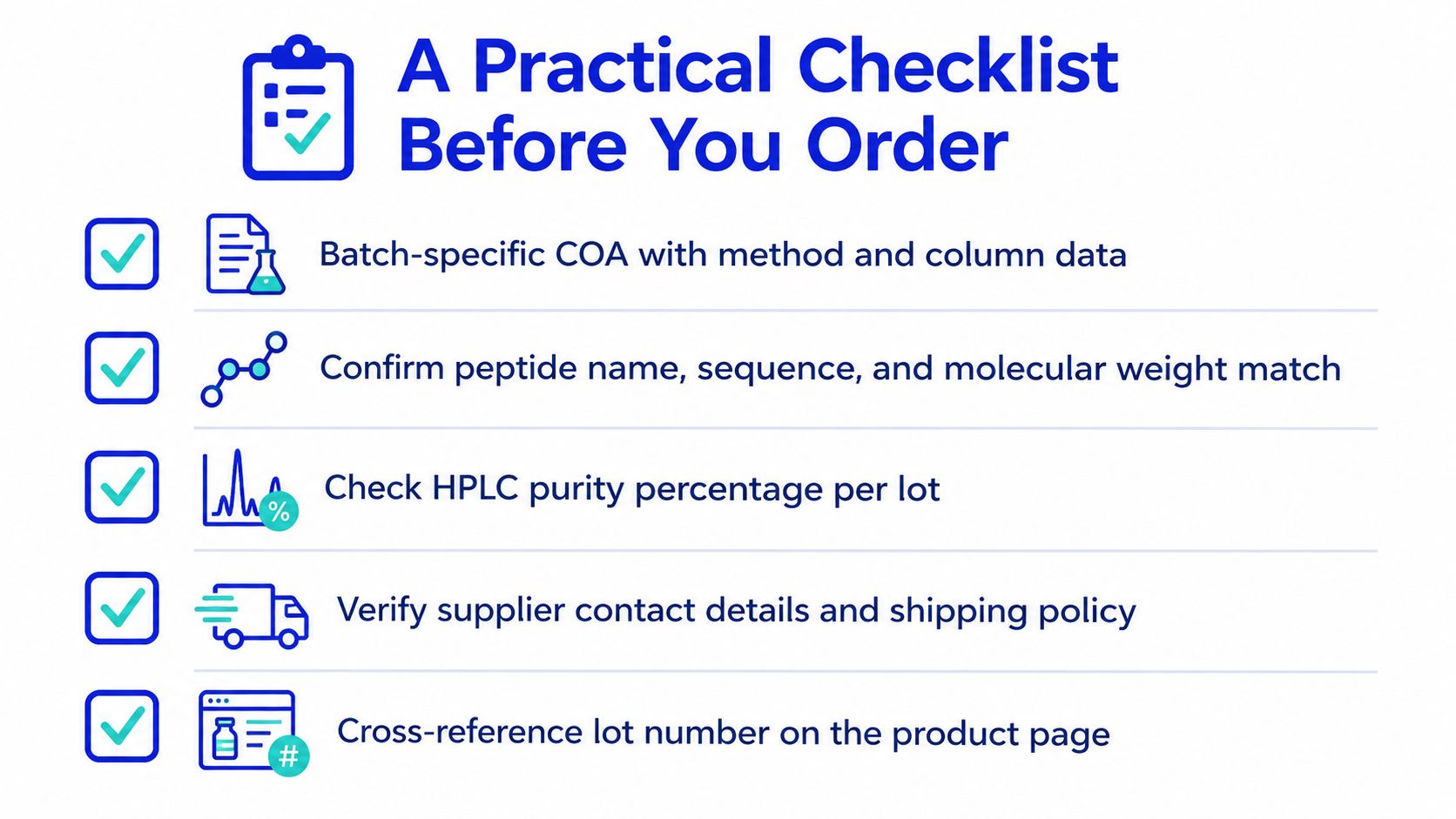
Request the batch-specific COA. Confirm that the report names the same peptide and lot shown on the product page or label. Check the testing method, date, and laboratory details.
Match the identity records. Compare the peptide name, sequence where provided, expected molecular weight, and observed mass. Differences should be resolved before the order ships.
Inspect the HPLC result. Look for a batch-specific chromatogram, method information, column details, retention data, and a purity calculation that can be tied to the sample.
Review contamination and handling data. Ask for microbial and endotoxin reports where relevant to the laboratory application. Confirm storage requirements, shipping conditions, and any temperature-control information the supplier provides.
Test the supplier's accountability. Send a specific question about lot traceability or a misreported result. A clear answer, named contact channel, returns policy, and physical business information all reduce procurement risk.
The final step is often overlooked. Documentation is useful only when the supplier can connect it to the stock being shipped and address discrepancies after delivery. A vendor that responds quickly before purchase but refuses to discuss a quality concern afterward hasn't provided dependable support.
Market growth has expanded the number of peptide suppliers and available purchasing routes. At the same time, enforcement history shows that a research-only label doesn't override evidence of intended human use. Buyers should keep the procurement purpose clear, avoid therapeutic representations, and select suppliers whose documentation matches legitimate laboratory needs.
The most common mistake is treating the lowest listed price as the main buying criterion. The second is treating one purity percentage as a complete quality assessment. The third is skipping mass spectrometry because the HPLC number looks high.
Those shortcuts confuse cheap with verifiably efficient. A credible low-cost peptide should have a coherent record from product page to lot label to COA, with orthogonal analytical evidence and relevant contamination data available for review. If any part of that chain breaks, the buyer should either request clarification or reject the listing.
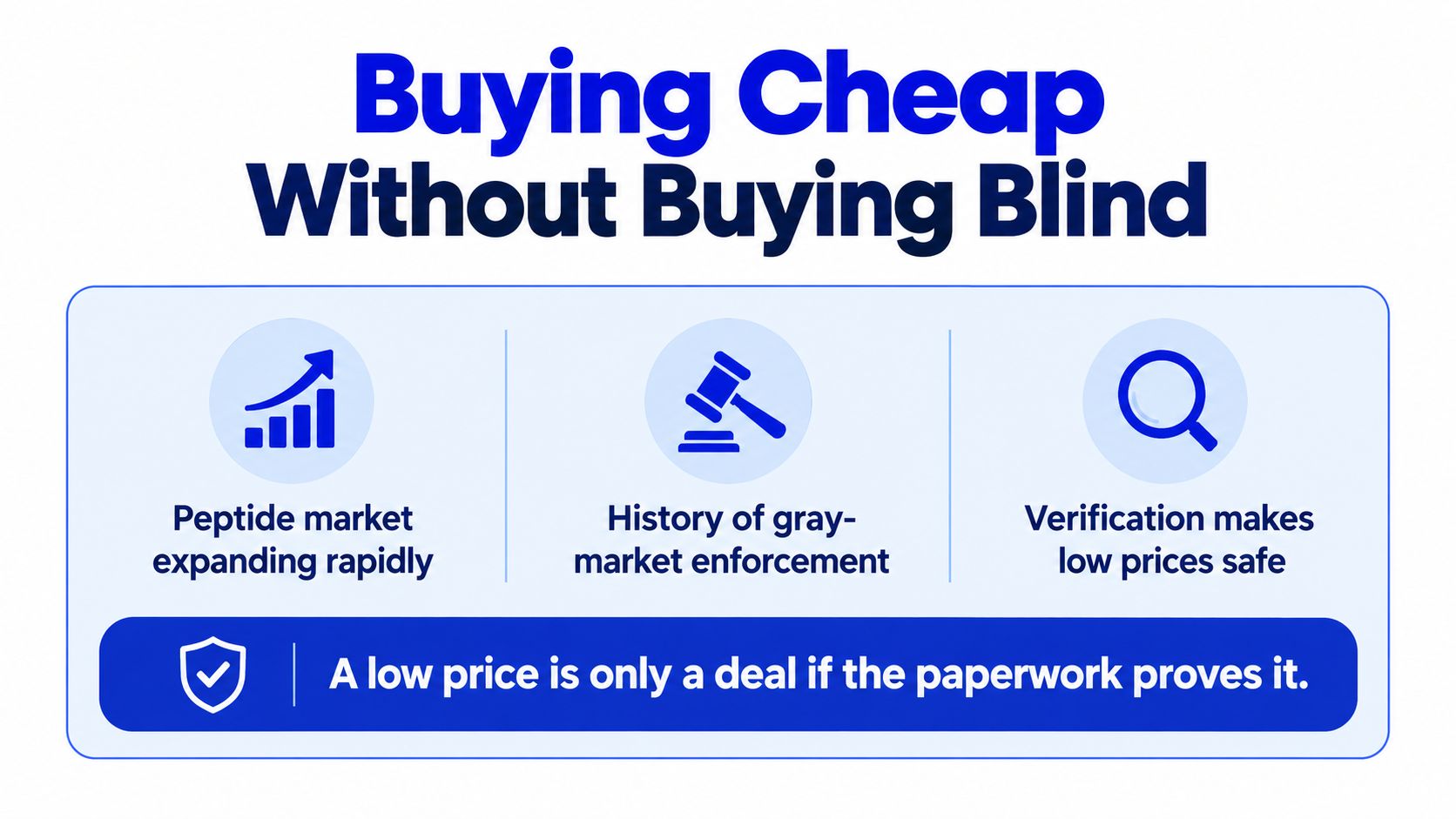
Independent market coverage has described commodity peptide pricing as relatively stable in 2026, while other peptide categories experienced sharp increases, showing why price comparisons need product and category context rather than a single universal benchmark. The Peptide Catalog pricing report also highlights the difference between low-cost products with verification programs and products sold without third-party evidence. A low price can be normal for one category and a warning sign for another.
Use this final decision rule:
A low price is only a deal if the paperwork proves what you're buying.
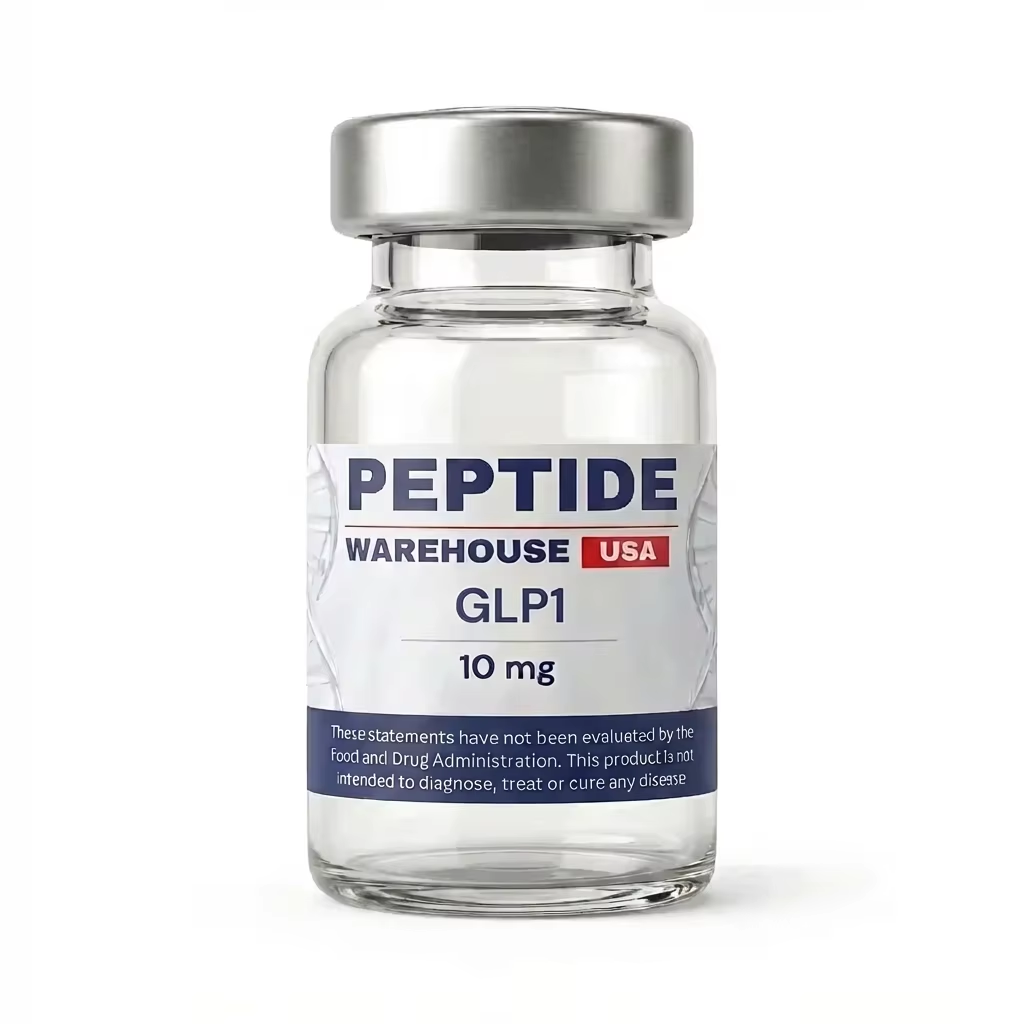
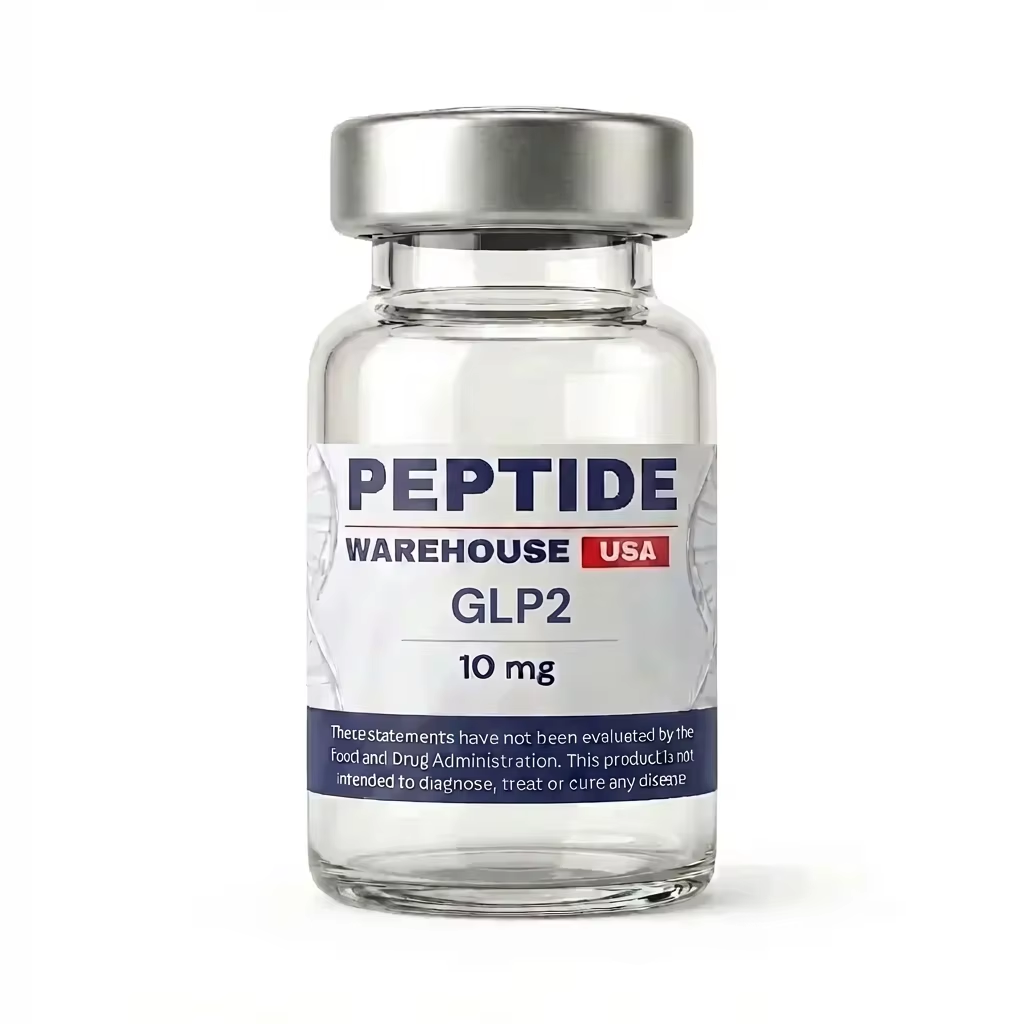
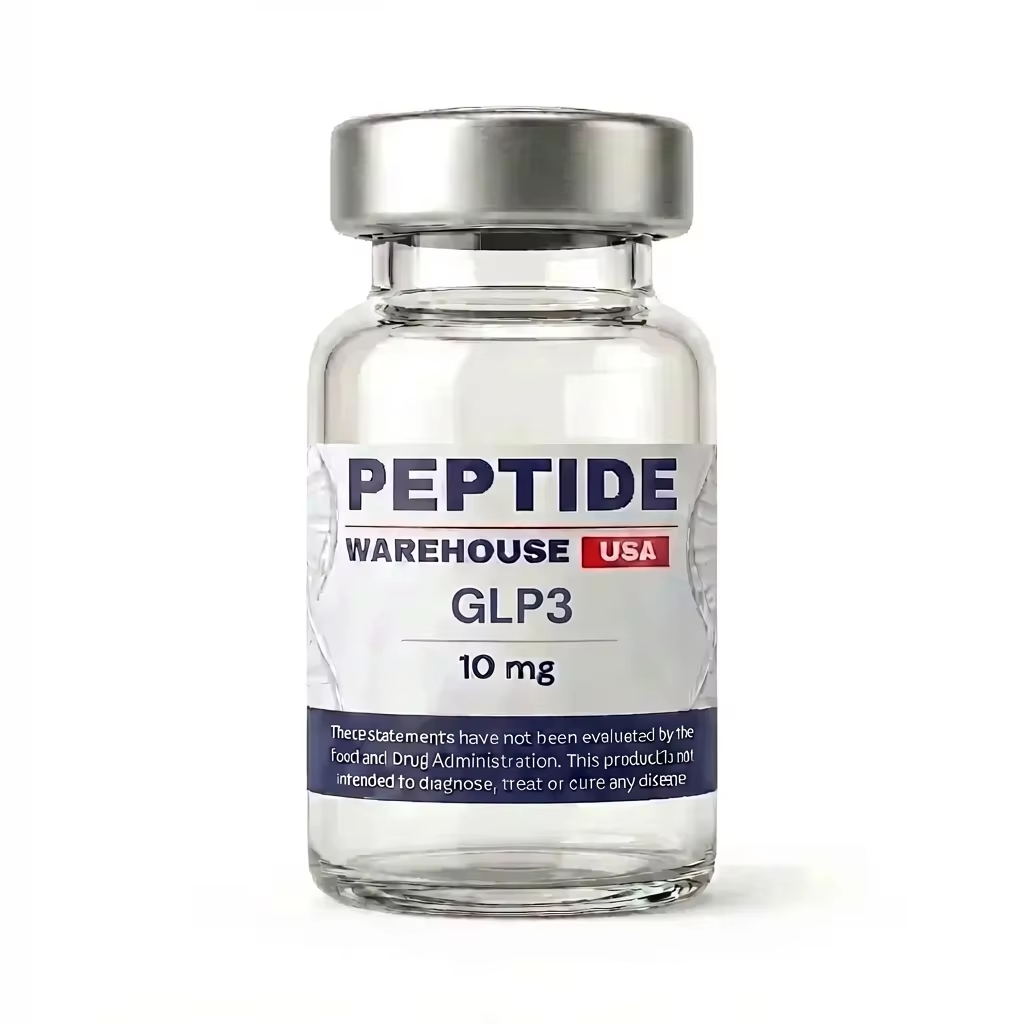
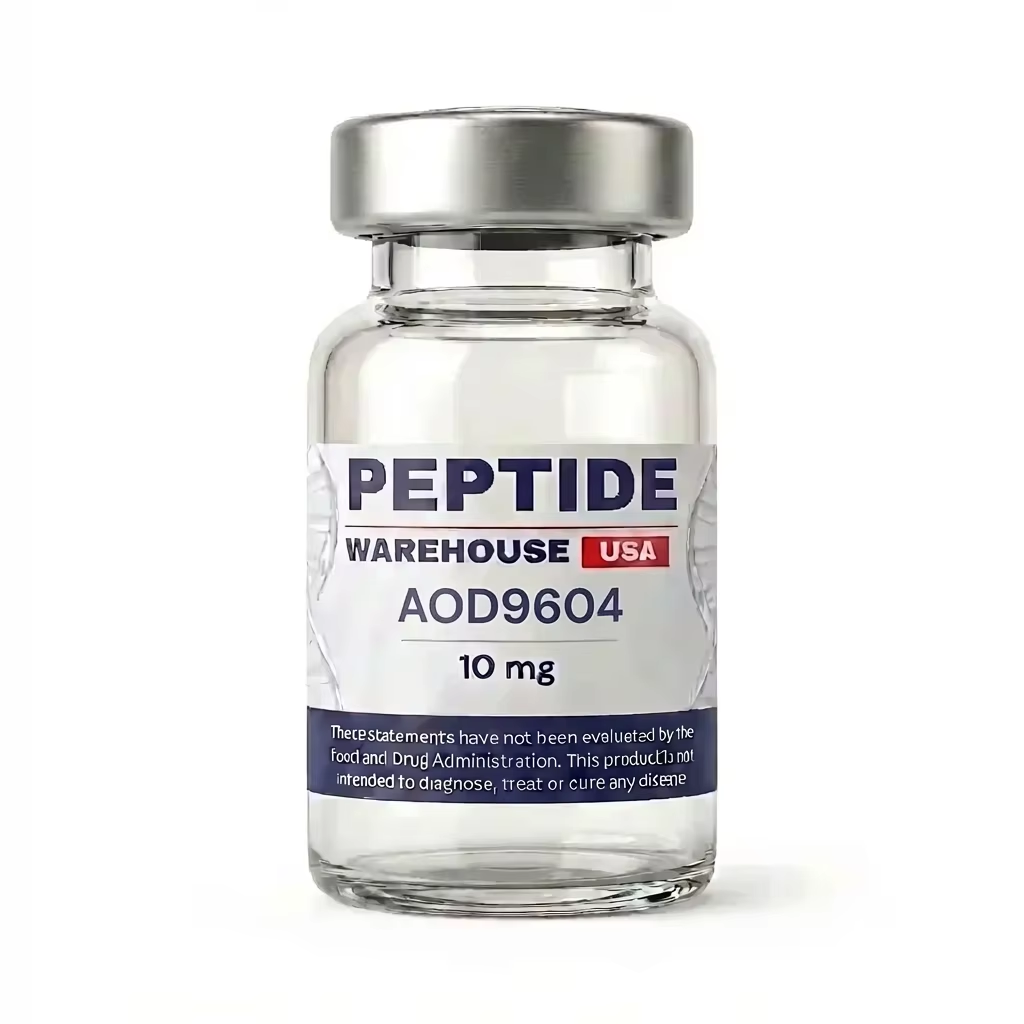
Peptide Warehouse USA offers research peptides and related compounds for laboratory, analytical, and preclinical applications, with US manufacturing, batch testing, and documentation that includes COAs, microbial and endotoxin reports, and stated purity levels. Visit Peptide Warehouse USA to review the catalog, examine available documentation, and explore options for research procurement, remembering that its products are sold for research use only and not for human consumption.