No products in the cart.


A shipment marked fladrafinil for sale can look routine until it hits the receiving bench. The label says research use, the COA looks polished, and the invoice is already in the queue, but the central question is simpler, can this lot survive identity review, impurity checks, and an audit trail that holds up? For a procurement manager, that's the only question that matters.
Most buyer pages talk about imagined benefits. In the lab, the focus is different. You need traceability, analytical evidence, and clear boundaries around use, because a compound that's easy to buy online still may not be suitable for analytical work, much less anything involving people. If you're building a receiving SOP for a new vendor, the practical standard is to treat every lot as untrusted until the paperwork, the chromatogram, and the mass data line up.
A common scenario starts with a promising package on the dock and a rushed note from a colleague who wants it logged quickly. The smarter response is to slow down and ask whether the lot is suitable for analysis at all. That's the difference between a procurement mindset and a consumer mindset, and it's the right lens for fladrafinil for sale.
Fladrafinil, also known as CRL-40,941 or CAS 90212-80-9, is a synthetic hydroxamic-acid derivative of adrafinil with two para-fluorinated phenyl rings. The point of that description isn't marketing, it's identity. If the structural language, CAS number, and analytical records don't agree, the lot is already suspect. For a practical introduction to structured documentation workflows, how to guides can be useful when teams are turning a receipt process into a repeatable SOP.
Research-only labeling functions as a compliance boundary, not a quality guarantee. A vendor can print “for research use only” on the bag and still ship a material with weak traceability, vague storage instructions, or inconsistent analytical backing.
Practical rule: if the vendor can't connect the lot number to a COA, chromatogram, and storage conditions, don't let the shipment move past quarantine.
Fladrafinil should be treated as an investigational research chemical, not as a validated cognitive product, weight-loss aid, or performance material. That framing matters because it keeps procurement teams anchored to evidence, not hype. It also makes audit conversations easier, since you can show that the purchase was handled as a controlled research supply, not as a consumer wellness order.
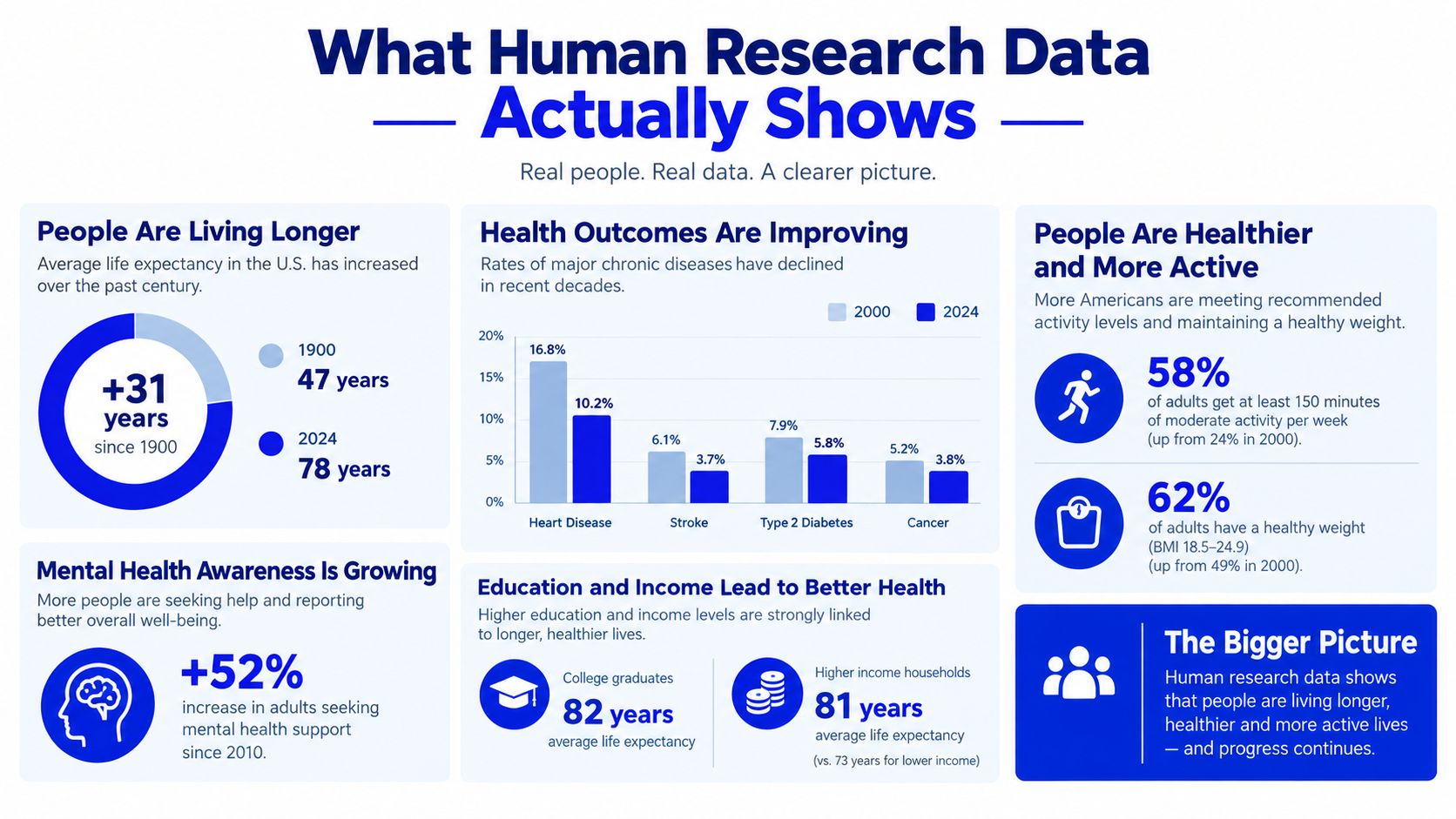
The clearest human evidence for fladrafinil is analytical, not therapeutic. In a controlled doping-analysis study, six volunteers, three men and three women, each received a single 20 mg dose of fladrafinil or flmodafinil, with the two administrations separated by three weeks, and the protocol was approved by the German Sport University Cologne under reference number 089/2021 (PMC article). That study shows what analysts can detect in blood and urine, not whether the compound improves wakefulness, concentration, athletic output, or safety.
The Cologne doping study reported peak blood concentrations of the parent compound at 11 to 35 ng/mL and peak urinary concentrations at 52 to 111 ng/mL. It also found the parent compound in urine for up to 12 hours, while flmodafinil-related metabolites remained detectable much longer, with flmodafinil present for up to 8 days and flmodafinil acid and related metabolites for up to 2 weeks.
They verify recovery, detectability, and elimination behavior. The reported recovery rate for fladrafinil was 48%. For analytical labs and sports-drug-control teams, that means a single exposure can leave measurable signals that outlast the parent compound itself.
A short parent-drug window does not mean a short compliance window. Metabolites often matter more than the original molecule.
What the study does not show matters just as much. It does not demonstrate improved wakefulness, concentration, weight loss, athletic performance, safety, or long-term tolerability. Product pages that slide into performance, fat-loss, healing, or anti-aging language are extending beyond the human endpoints reported here.

The receiving bench is where poor purchasing decisions show up. A lot can look acceptable on paper and still fail once the assay, structure, and chromatographic record are compared side by side. For fladrafinil for sale, the shipment has to match the molecule, not just the marketing copy.
Use orthogonal methods, not one vendor claim. HPLC checks chromatographic purity and related substances, NMR confirms the molecular framework, and LC-MS verifies the expected mass-to-charge signal. The published commercial specification lists these controls in its product summary (commercial specification summary).
That same specification lists an assay range of 98.0–102.0% on a dried basis, loss on drying of no more than 0.5%, a largest single impurity limit of 0.5%, and total impurities of no more than 1.0%. Treat those figures as purchasing specifications, not proof of clinical quality or biological safety.
Use a receiving checklist that reconciles the shipment against the paperwork:
Some online listings show 339.33 g/mol instead of 325.33 g/mol. Treat any mismatch as a documentation red flag and resolve it against the structural formula before acceptance. If the numbers do not align with the published commercial specification and the analytical file, the lot should stay on hold.
If the assay looks clean but the mass does not match the structure, reject the paperwork until the vendor explains the mismatch in writing.
A trusted supplier makes the receiving conversation easier because the documents arrive before the box does. A higher-risk marketplace seller usually does the opposite, it leans on promotional language first and evidence later, if evidence appears at all. For teams comparing vendors, vetting suppliers for MSPs is a helpful model for disciplined documentation review, even when the product class is different.
| Trusted Lab Practices | Higher-Risk Marketplace Indicators |
|---|---|
| Lot-specific Certificate of Analysis | Generic purity claims with no lot tie-in |
| Identity testing with HPLC, NMR, and LC-MS | One-line assay numbers without raw data |
| Clear research-use labeling | Ambiguous wellness or performance language |
| Explicit impurity results | No impurity profile or missing chromatogram |
| Transparent storage instructions | Vague or absent storage conditions |
| Written compliance disclaimer | Sales copy that suggests human use |
| Traceable lot number and packaging details | Unclear chain of custody |
| Documented receiving records | A COA that can't be matched to the container |
The best vendors make it easy to reconcile the shipment against the purchase order and the analytical file. The worst vendors force your team to infer quality from tone, branding, or a polished product page.
Missing microbial or endotoxin reporting isn't always relevant to every analytical workflow, but if a vendor claims broad laboratory suitability and can't produce basic documentation, that should raise questions. The problem isn't just contamination risk, it's audit exposure. Your file should show why the lot was accepted, not why someone hoped it was fine.
Fladrafinil has not been approved or marketed as a medicine, and compound-specific evidence does not establish a reliable human dose, therapeutic benefit, long-term toxicity profile, overdose threshold, or drug-interaction profile (ScientificSean overview). That means any buyer who treats online availability as a green light is skipping the actual compliance work.
The World Anti-Doping Agency places fladrafinil and flmodafinil in category S6, the stimulant section of its Prohibited List, where they are prohibited in competition (WADA-related publication). That creates a real risk for athletes, trainers, and support staff who assume research-only labeling changes the anti-doping status.
Research-only labeling does not remove an athlete's responsibility to check applicable anti-doping rules, testing methods, and event-specific requirements (WADA-related publication). It also doesn't imply sterility or pharmaceutical manufacturing quality.
For any preclinical work, insist on:
Fluorination can change lipophilicity, metabolic stability, tissue distribution, and target interactions, so effects observed with related compounds can't be transferred directly to fladrafinil (ScientificSean overview). That's the kind of detail procurement teams need to remember when marketing copy sounds more certain than the evidence base.
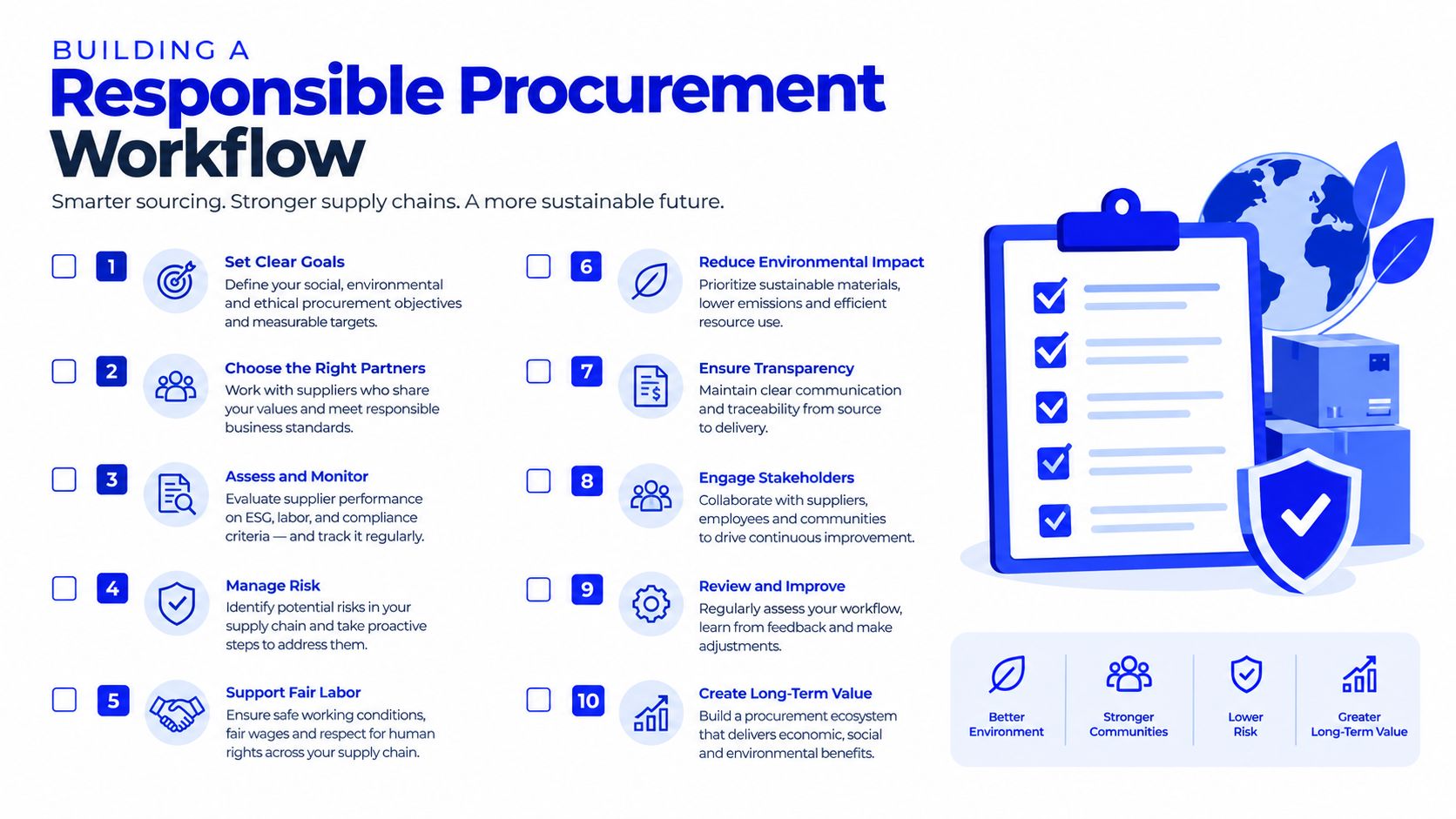
A good workflow keeps the purchase from becoming a problem later. The goal is simple, reconcile the lot on arrival, quarantine anything inconsistent, and leave a clean audit trail that shows the shipment was reviewed before analytical use. For lab teams that need a practical document set, a PDF toolkit for healthcare teams can be a useful reference point for organizing checklists and internal records, even when the material being handled is strictly research-only, and PDFWix's toolkit is one example of a structured format that helps teams stay consistent.
Start with the receiving packet. Match the lot number, CAS, formula, molecular weight, chromatogram, and storage conditions before anything gets signed into inventory. If any one of those pieces is missing or inconsistent, hold the lot in quarantine until the vendor resolves it in writing.
Then review the supporting documents in the same order every time. Confirm the COA, impurity results, and any microbial or endotoxin reporting that the vendor provides. If the paperwork is thin, contradictory, or built around vague claims, the safest decision is to reject the shipment before it touches the analytical bench.
A disciplined process doesn't just reduce contamination risk, it reduces argument risk. When a supplier asks why you rejected a lot, you want to point to a documented discrepancy, not a vague impression.
If your team needs a research-only source for documentation-forward procurement, explore Peptide Warehouse USA. It's built around laboratory and analytical supply discipline, which is exactly the standard this topic demands. For buyers who care about batch traceability, compliance-minded labeling, and clear receiving records, it's worth a look.