No products in the cart.

If you've been searching where to buy Melanotan, the first mistake is treating it like an ordinary shopping query. In practice, it's a regulatory and product-authenticity problem, because an online listing can exist without being lawful, tested, or fit for human use.
That distinction matters in Australia and the United States, where regulators have been direct about melanotan-containing tanning products. The TGA says they are not approved for sale or use as tanning agents in Australia, and supply without a doctor's prescription is illegal (TGA). In the U.S., FDA has treated Melanotan II marketed for tanning as an unapproved new drug that can't be legally shipped in interstate commerce without an FDA-approved application (FDA notice).
The usual advice around where to buy Melanotan assumes there is a normal retail shelf behind the search results. A cleaner site, a working checkout, and fast shipping do not answer the questions that matter most: legality, product identity, sterility, and whether any clinical oversight exists at all.
A label that says “research use only” does not turn a consumer listing into a legitimate medicine. The TGA has said that melanotan-containing tanning products are not approved and that supplying them without a prescription is illegal in Australia (TGA). A webpage is evidence of a sale attempt, not proof of lawful supply.
A researcher would ask a different question than a casual shopper. Before comparing prices or delivery times, ask for the lot number, the assay method, and the sterility record tied to that exact batch. If a seller cannot produce those documents, the listing fails the first check.
Practical rule: Treat any melanotan listing as unverified until legal status, product identity, and sterility documentation are independently established.
For readers who want context on how MT-2 is discussed in the tanning market, ProMD Health Easton on MT-2 peptide offers a useful overview of why the subject draws so much search traffic.
A normal retail purchase starts with approved product categories and licensed sellers. Melanotan does not fit that pattern. The practical consequence is that where to buy Melanotan is really a documentation question, not a shopping question.
That is where a document-first mindset matters. The relevant filters are approval status, batch traceability, and whether the listing is aimed at people or at laboratory work. If those details are missing, the safest conclusion is simple, do not buy.
Unlike a normal OTC category, there is no consumer retail lane to compare sellers within. The evaluation starts with authorization, not assortment.
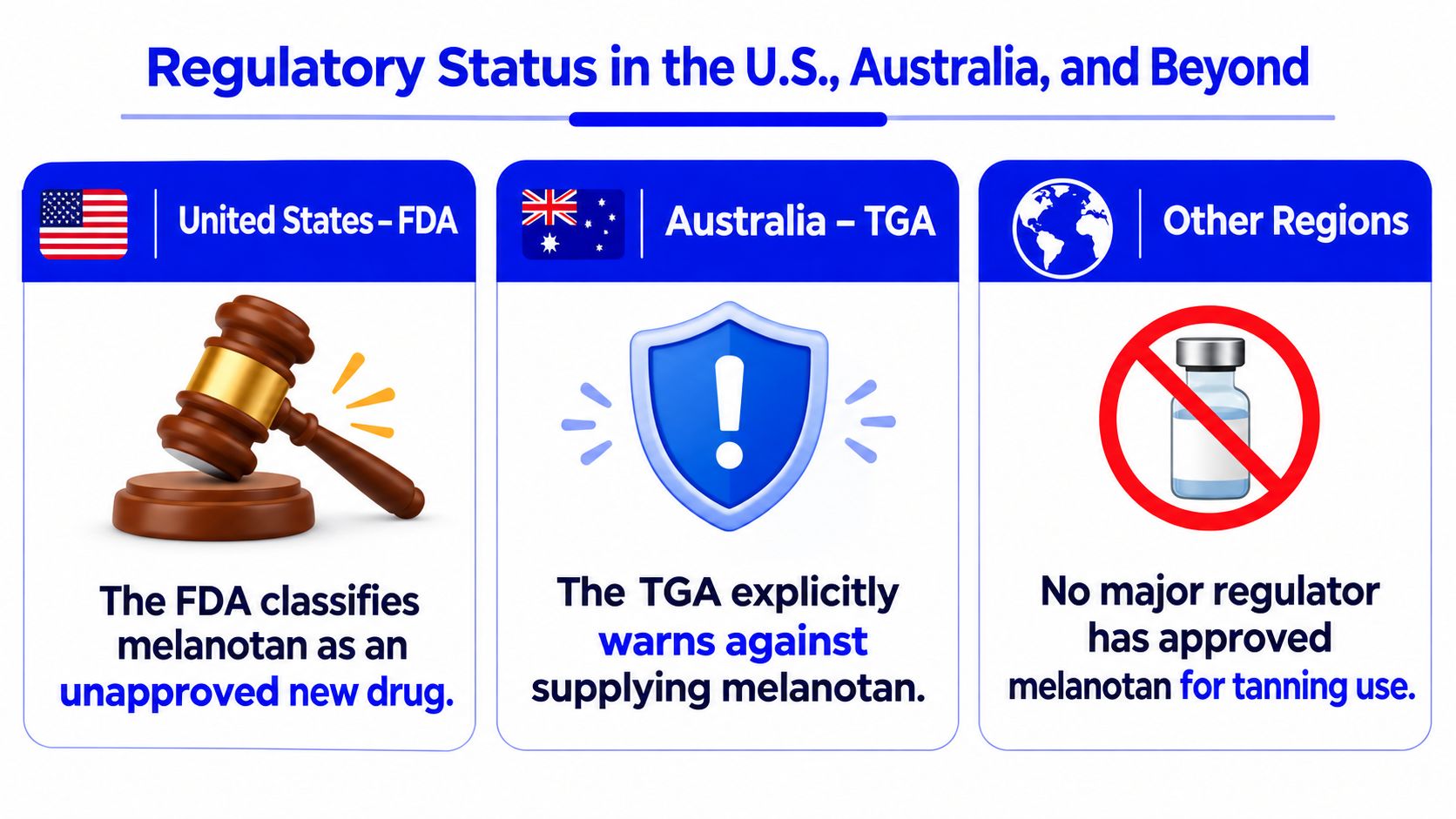
In the United States, Melanotan I and Melanotan II are not FDA-approved medicines. FDA has treated Melanotan II marketed for tanning as an unapproved new drug, and in a formal notice said it could not legally be introduced or shipped in interstate commerce without an FDA-approved application (FDA notice). That matters because it removes the normal retail path a buyer would expect for a legitimate consumer medicine.
The practical takeaway is simple. If a listing presents Melanotan as a ready-to-buy tanning product for human use, the burden of proof is on the seller, and the regulatory bar is not met by a website design, testimonials, or a downloadable certificate alone. FDA also recommends checking whether any online pharmacy is state-licensed, requires a prescription when appropriate, lists a U.S. address and telephone number, and provides access to a licensed pharmacist (FDA online pharmacy guidance).
Australia's TGA has stated that melanotan-containing tanning products are not approved for sale or use as tanning agents, and that supplying them without a doctor's prescription is illegal (TGA). The TGA has also reported concerns about online peptide products, including inconsistent dosing in Melanotan-II tanning products (TGA peptide products).
That combination matters because it shows how public availability can outpace legal authorization. A product may be easy to find online, yet still be outside the approved medicine system. The visible option is often not the lawful one.
Across English-language markets, the same pattern shows up. FDA does not approve it for tanning, and the TGA does not approve it for tanning either. The relevant question is whether any seller can document lawful supply and product quality.
A seller's location, packaging, or declared purity cannot replace authorization, batch oversight, or prescription controls.
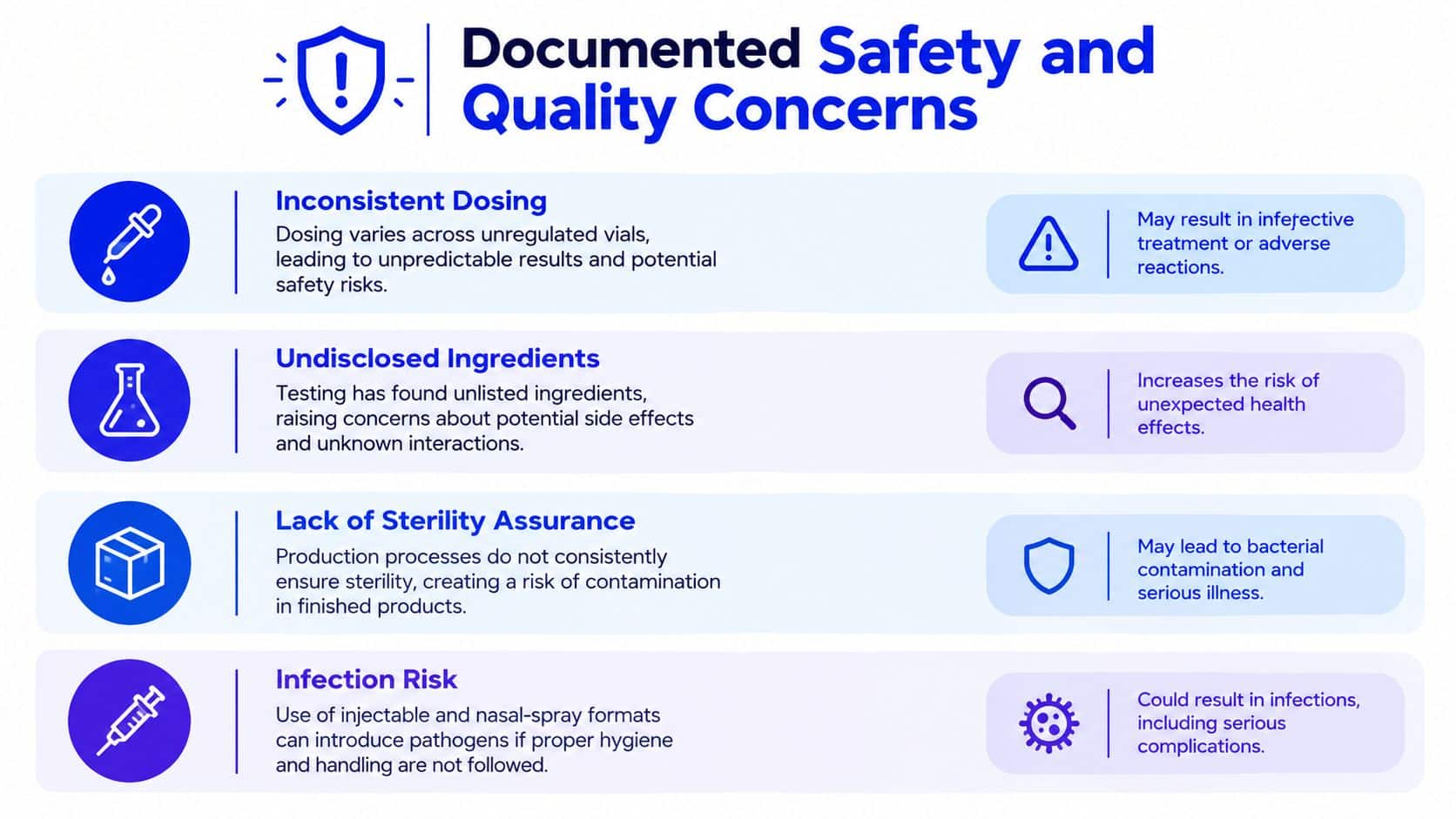
Melanotan is sold in formats that look routine to consumers, including nasal sprays, injections, tablets, creams, and similar presentations. The format does not establish quality. The risk is that unapproved products can reach buyers without the manufacturing controls regulated medicines require, and online availability does not confirm sterility or ingredient accuracy.
WebMD notes that online melanotan products have not been tested to confirm their labels accurately identify the ingredients, and they have not been tested to establish sterility or the absence of microbes that could cause infection (WebMD). That gap matters most for products meant to be injected or absorbed through the nasal route.
The TGA has reported concerns about inconsistent dosing in Melanotan-II tanning products promoted online as peptide medicines (TGA peptide products). That is consistent with the broader pattern regulators keep identifying, unapproved products can be sold without verified identity, predictable strength, or reliable storage conditions.
FDA warns that unsafe websites may sell medicines with the wrong ingredient, too little or too much active substance, no active ingredient, or harmful contaminants (FDA online pharmacy guidance). For melanotan, those risks are especially relevant because a casual buyer cannot confirm identity or dose from a listing alone.
A claimed percentage on a product page does not establish pharmaceutical-grade quality. A researcher should require the assay method name, a lot match, and a sterility method before treating any percentage as evidence. Without those records, the number does not show sterility, endotoxin control, validated shipping, or that the vial contains the same material described on the site. It also does not show the product is lawful for human use.
Bottom line: If a melanotan seller cannot show method, lot, and sterility evidence, the label is marketing, not verification.
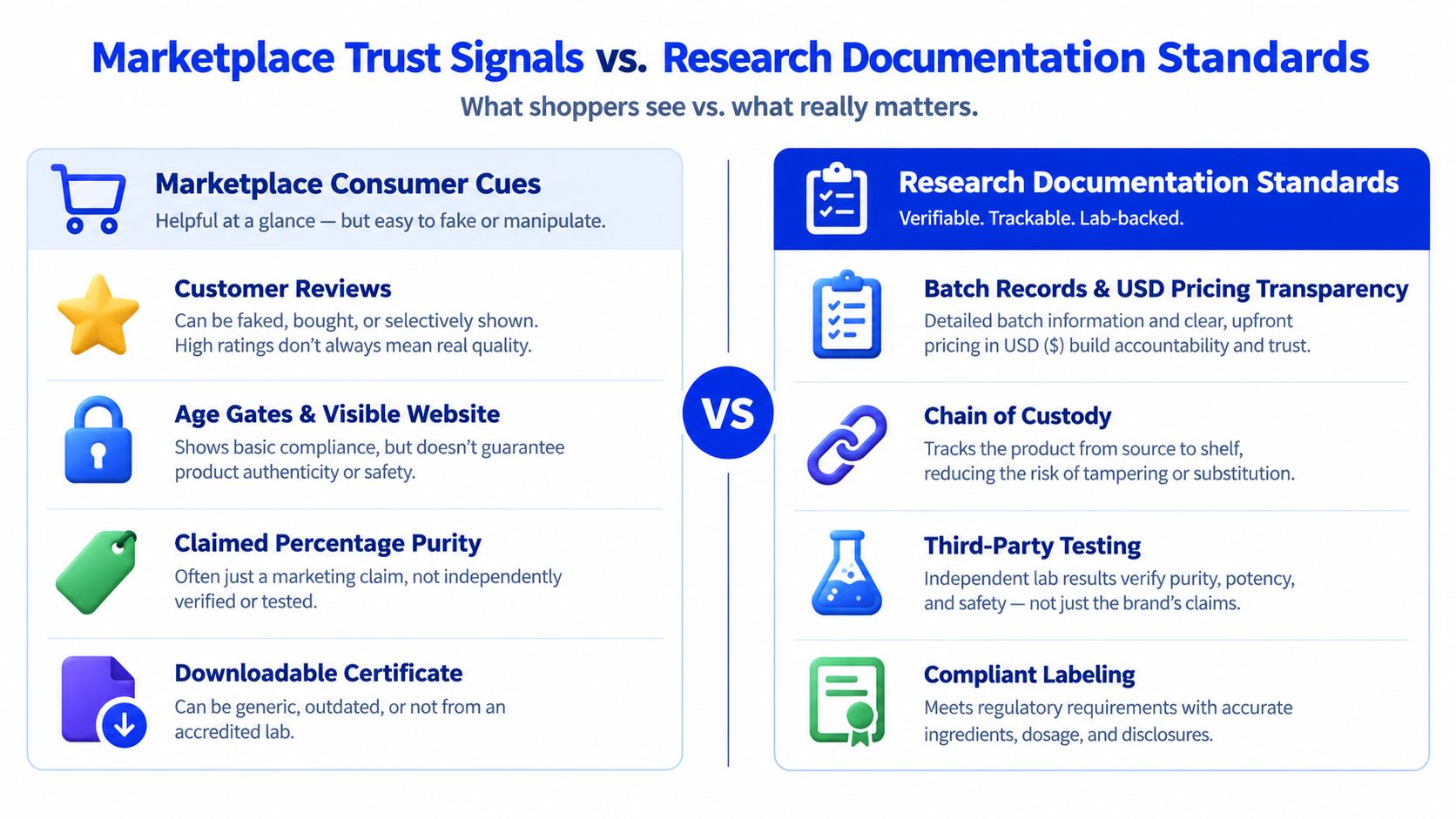
A polished listing can look credible while revealing very little. Reviews, age gates, a clean checkout flow, and even a downloadable certificate mainly show that a seller knows how to present a product. They do not show that the material is lawful, correctly labeled, or suitable for research.
The more useful test is documentation. FDA online-pharmacy criteria described in Regulatory Status above set a higher bar for medicines, and that standard is a useful comparator for buyers assessing melanotan listings. A visible address or website alone does not answer the harder questions about identity, traceability, or oversight.
For a research purchase, the supplier should be able to connect the vial to a specific lot and a specific test method. A certificate of analysis has real value only if the lot number matches, the assay method is named, and the scope of testing is clear. If the product is meant for injection or nasal use, sterility and microbial controls cannot be treated as optional paperwork.
The difference shows up in the records, not the copy.
| Research document | What it should show |
|---|---|
| Lot-specific certificate of analysis | The lot number on the document matches the product in hand |
| Assay method | The testing approach is identified clearly |
| Sterility report | Whether the lot was assessed for contamination risk |
| Endotoxin report | Whether the lot was checked for pyrogen risk |
| Traceability record | A chain from source to shipped unit |
That is the level of evidence a cautious buyer needs before comparing vendors. If you are weighing sourcing options against budget, compare peptide therapy monthly prices can help frame cost, but price is secondary to documentation.
A research-only label does not certify a product for human use. It shifts responsibility to the buyer, which makes paperwork more important, not less. If a seller cannot show identity, purity, and traceability, the listing is a marketing shell around uncertainty.
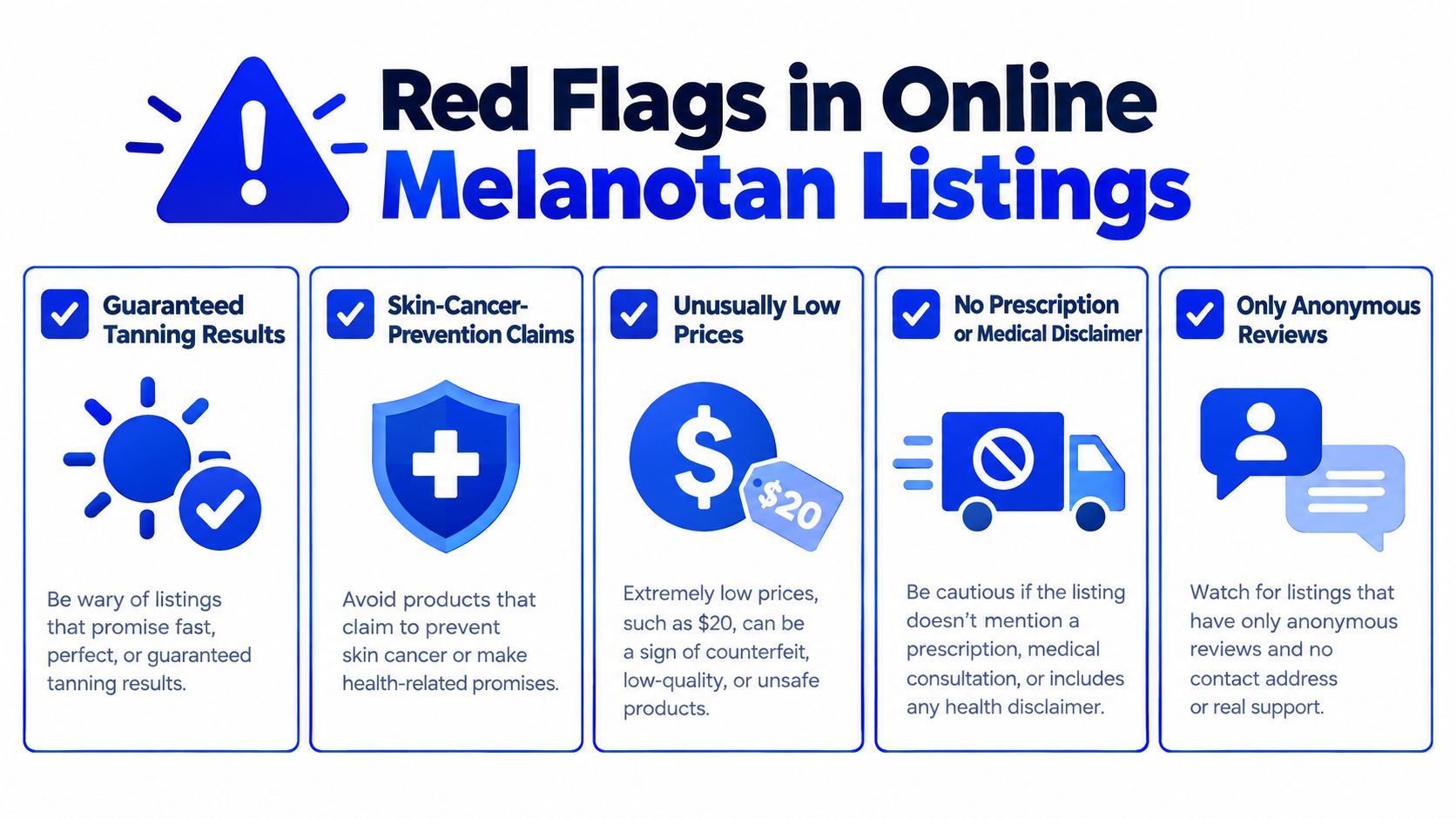
A persuasive listing can still be weak on safety. A 2025 cross-sectional analysis of 100 Google searches found 37 websites selling melanotan II, and the advertisements used persuasive language aimed at achieving a desired tan, yet none included health warnings (British Journal of Dermatology abstract). That pattern matters because it shows how polished a risky page can look.
If a result promises a tanning outcome, skips risk language, and pushes fast checkout, that's a warning sign. So is a site that gives only anonymous reviews, hides contact details, or never explains regulatory status.
Use this before you click through a seller:
| Marketplace Trust Signals vs. What They Actually Prove | |
|---|---|
| Signal on the listing | What it actually proves |
| Star ratings and testimonials | Social proof, not pharmaceutical authenticity |
| Age gate or polished design | Presentation, not approval |
| Purity percentage | A claim, not validated identity or sterility |
| Certificate download | Only useful if lot-specific and test-method verified |
If a page can't explain what the product is, who made it, and what the lot was tested for, it isn't giving you enough to buy responsibly.
For research procurement, the first question is whether the seller can connect the material to a specific lot. A certificate of analysis only matters when the lot number on the document matches the vial or container, and the assay method is visible enough to evaluate. If that match cannot be made, the paperwork is ornamental.
As noted earlier, unverified identity and sterility are the baseline problem for online material. The documentation has to do more than sound scientific. It has to show what was tested, how it was tested, and which physical unit the results apply to.
A useful procurement review should require a file set that can stand on its own:
A U.S. address or an FDA disclaimer may improve presentation, but neither replaces the file set. If a vendor will not provide these records, the safest conclusion is that the material should not be treated as procurement-ready.
A serious buyer starts with documents, not the sales page. That habit makes it easier to separate a supplier that can support its claims from a storefront that only looks technical. It also creates a consistent rejection standard. If the lot cannot be matched, the assay method is hidden, or the shipping record is missing, the offer fails the review before any further step is taken.
There isn't a legitimate consumer tanning channel for melanotan in the major English-language markets discussed here. That means a search result is not a recommendation, and a seller's willingness to ship doesn't fix the legal or quality problem. The safer path is to speak with a qualified clinician about regulated alternatives.
Apply the documentation benchmarks first, then compare any seller against the red-flag list. If the supplier can't match a certificate to a lot, explain testing methods, or show traceability, stop there. A polished checkout page doesn't change that.
Do not rely on the product title, the review count, or the “research only” tag. Verify the lot-specific paperwork, ask for independent identity and sterility evidence, and check the jurisdictional rules that apply to your location before taking any further step. That's the only responsible order of operations.
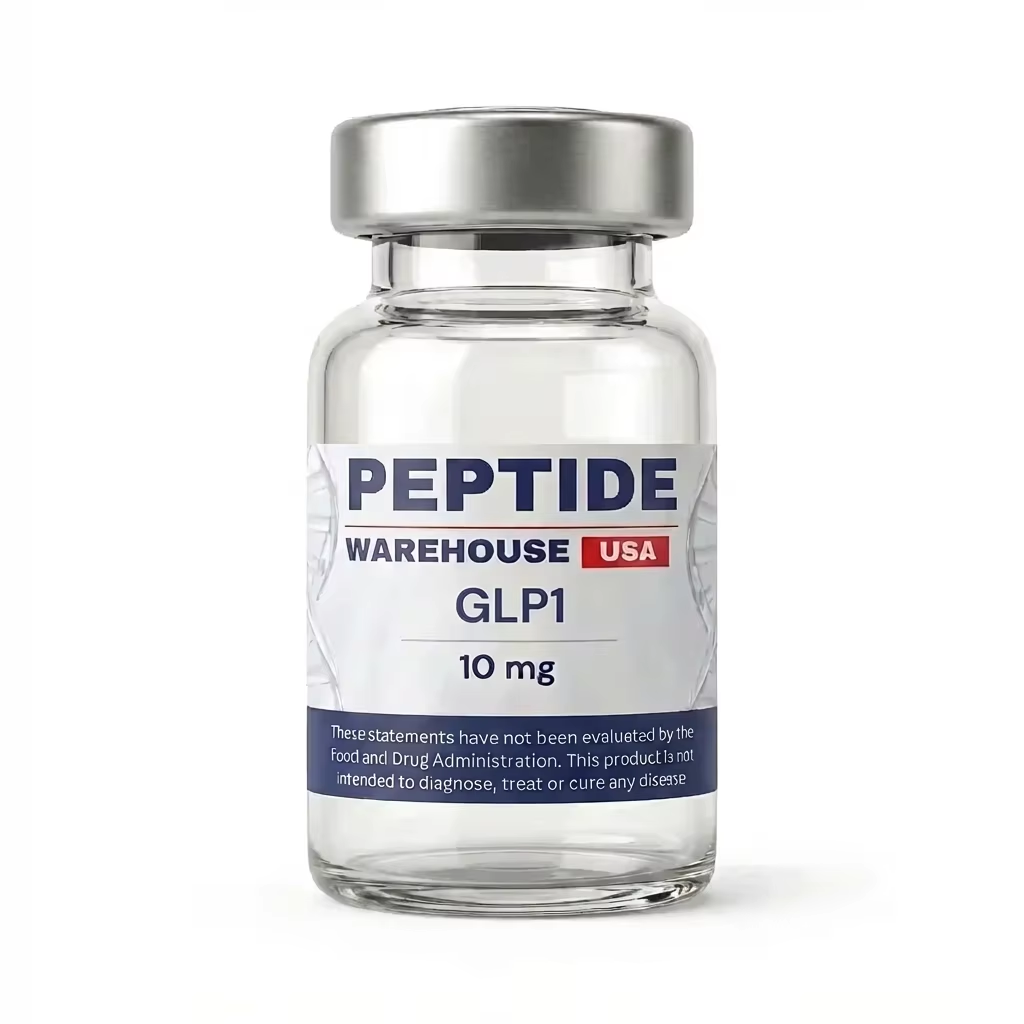
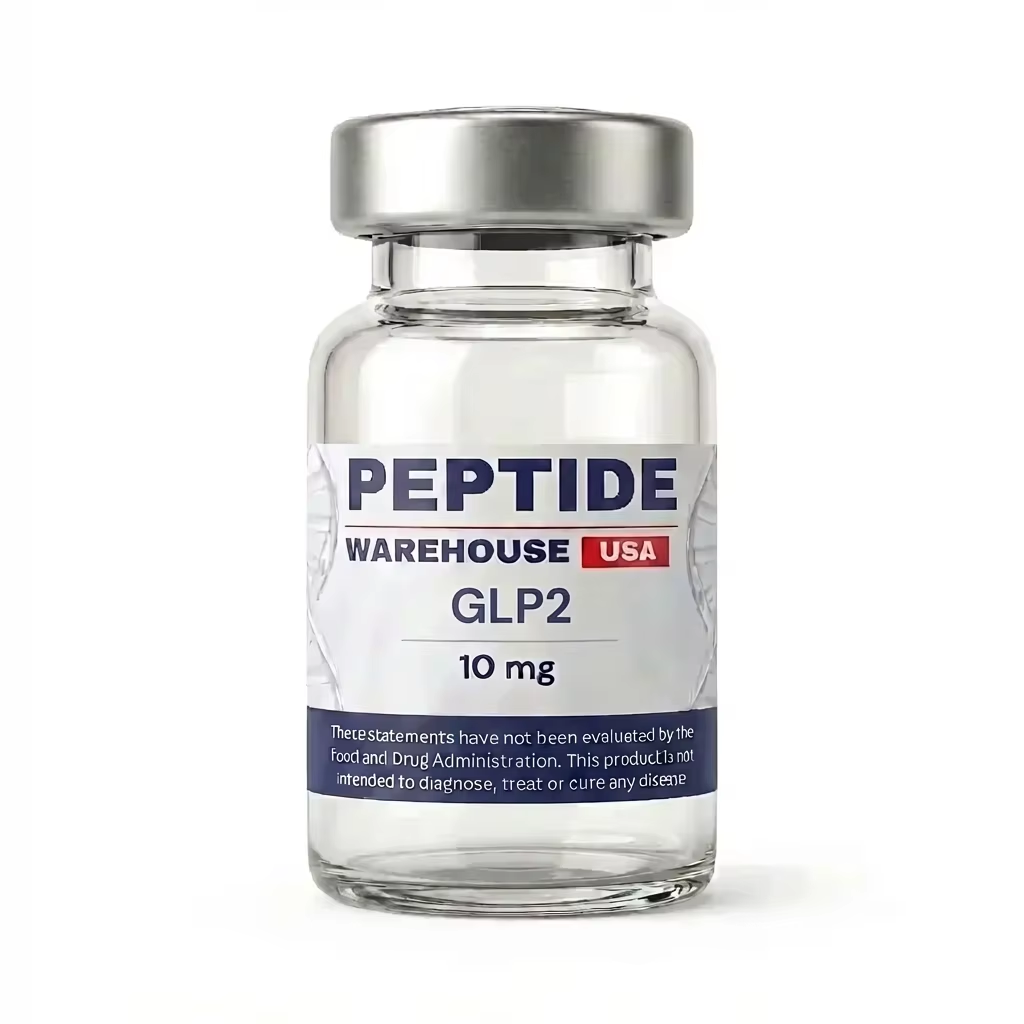
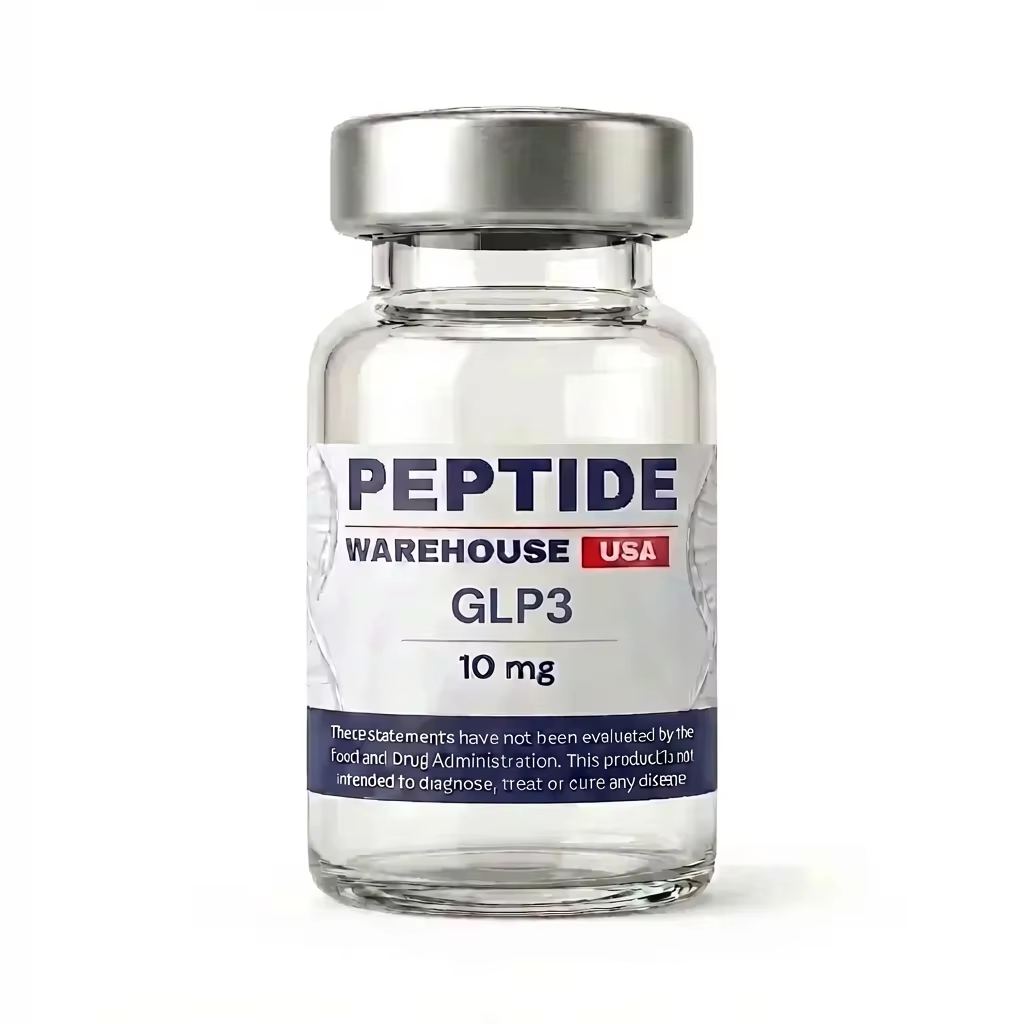
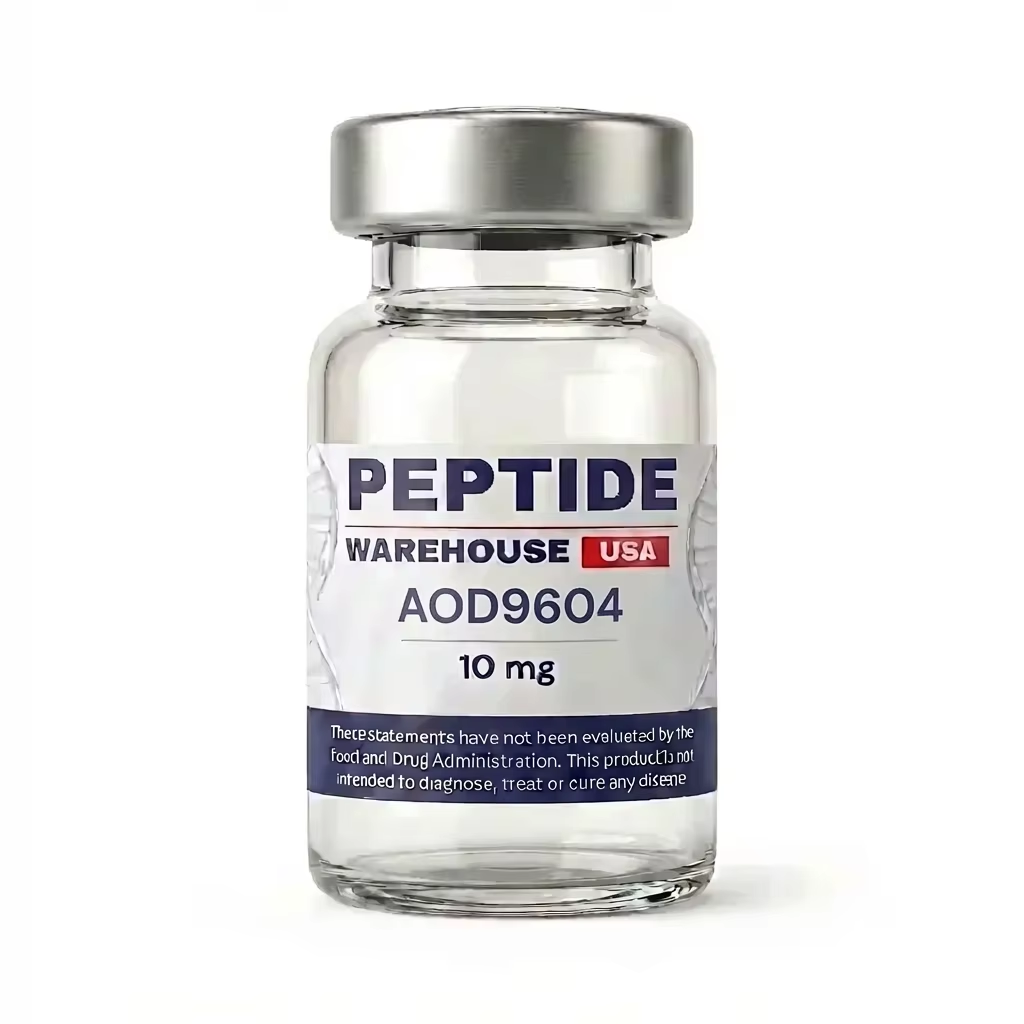
Peptide Warehouse USA is one example of a research-focused supplier that sells Melanotan II in a U.S.-based catalog with batch documentation and research-use-only positioning, which is the kind of framework institutional buyers should evaluate before any order. For everyone else, the decision should stay on the compliance side of the line.
No. A research-only label does not change the legal status of a product sold for consumer use. As noted earlier, melanotan-containing tanning products sit outside approved tanning supply in Australia, so the label on the listing does not resolve the underlying compliance problem.
Those formats create direct exposure concerns. The American Cancer Society notes that melanotan injections and nasal sprays are not approved by the FDA and may carry health risks because safety has not been established (American Cancer Society). For a researcher, that shifts the burden onto identity, sterility, and contamination controls, not marketing language.
Treat that as a stop signal. Photograph the lot, request a corrected lot-matched COA, and do not proceed without it. A certificate that cannot be tied to the exact vial in hand is paperwork, not verification.
Yes. A licensed clinician or regulated cosmetic provider is the safer route for appearance-focused goals. If you want to compare legitimate wellness services more broadly, a clinician-reviewed page on peptide therapy options can show how regulated services are presented, though it does not replace jurisdiction-specific guidance on melanotan.
Walk away. Online availability does not establish sterility, accurate labeling, or lawful supply, and the FDA and TGA guidance on online medicine and peptide products explains why polished listings can still fail basic controls (FDA online pharmacy guidance, TGA peptide products).
Peptide Warehouse USA offers research-use peptide products with lot-level documentation, U.S.-based fulfillment, and catalog support for institutional buyers who need a more traceable procurement path. If you are assessing melanotan through a research and compliance lens, visit Peptide Warehouse USA to review how a documented supply process is organized before you make any procurement decision.