No products in the cart.



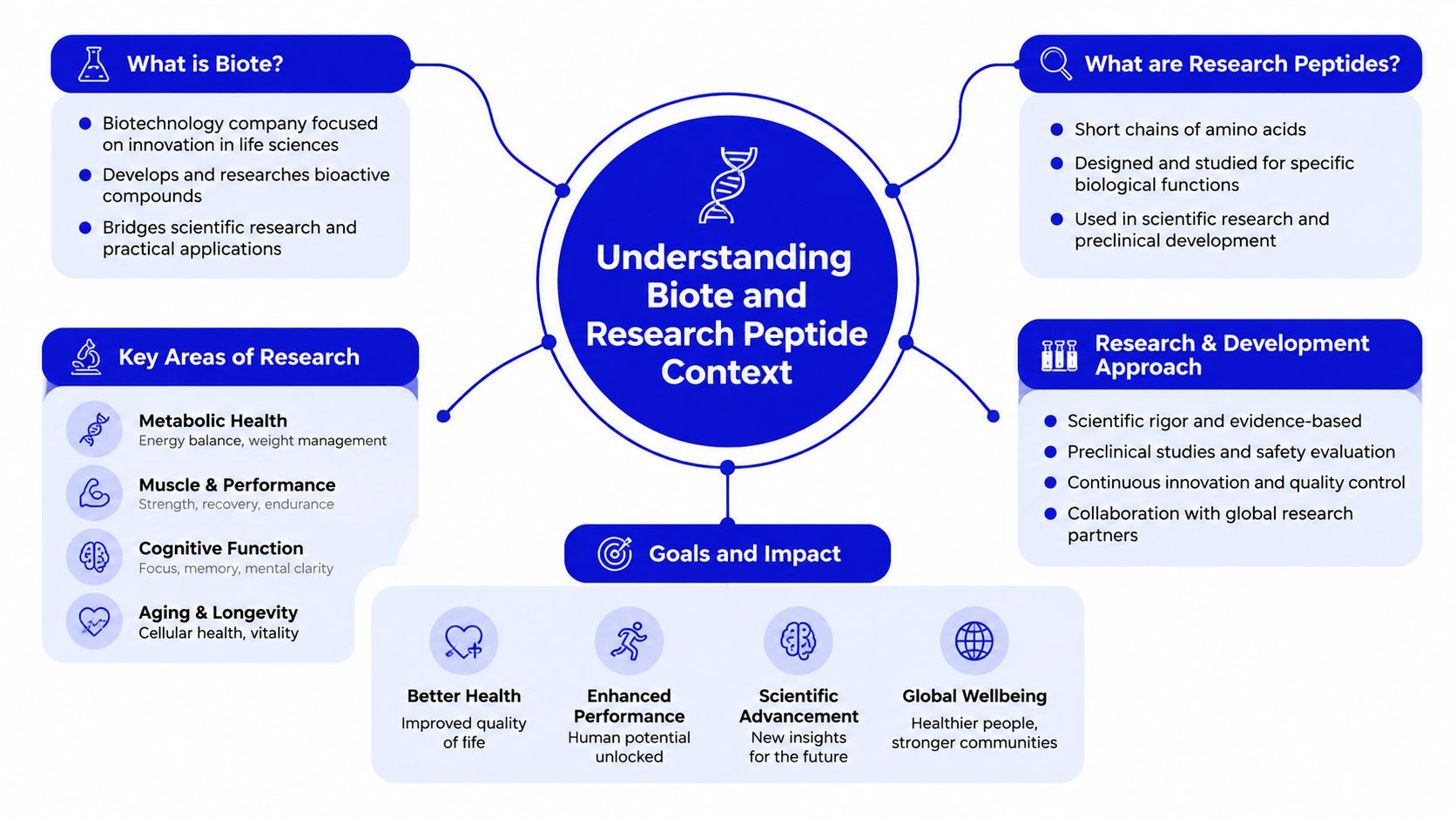
Have you ever searched Biote BPC-157 KPV and wondered whether you're looking at one branded product, two interchangeable peptides, or a collection of loosely connected wellness claims? That confusion is understandable. “Biote” may suggest a brand or platform, while BPC-157 and KPV are distinct research compounds with different structures, mechanisms, and evidence profiles.
This guide separates marketing language from research reality. You'll learn what the search phrase usually means, how BPC-157 and KPV are studied, why their mechanisms aren't interchangeable, what human evidence exists, and why regulatory attention doesn't equal proof of safety or effectiveness. The discussion is educational only, and research-use products aren't medical treatments or substitutes for professional care.
A reader searching for Biote BPC 157 KPV may be trying to answer a practical question: which peptide is associated with tissue repair, which is associated with inflammation research, and whether combining them makes scientific sense. Product pages and online discussions often place them close together, especially when the conversation involves gut research, recovery, or regenerative biology. That proximity can make two different compounds appear like variations of the same product.
They aren't.
BPC-157 is a 15-amino-acid pentadecapeptide studied mainly in preclinical models involving tissue injury, wound healing, vascular pathways, and musculoskeletal recovery. KPV is a three-amino-acid melanocortin-derived tripeptide studied more specifically for intracellular anti-inflammatory signaling, particularly in intestinal and immune-cell models. Their biological questions overlap in places, but their research identities are different.
The evidence gap matters just as much as the mechanism. A 2026 review identified 36 BPC-157 studies published between 1993 and 2024, while another review reported that the clinical evidence still consisted of three published human studies with fewer than 30 total subjects, with no large-scale randomized controlled trials at that point. The review literature on BPC-157 therefore supports interest, not broad human conclusions.
KPV has an even narrower human research history. Its foundational work includes a 2008 study showing PepT1-mediated entry into intestinal cells and reduced intestinal inflammation in relevant models, but reviews through 2026 reported no completed large-scale human clinical trials and no registered human clinical trials specifically for KPV. The original KPV intestinal transport study helps explain why KPV remains scientifically interesting, but it doesn't establish a consumer treatment.
This distinction is the thread running through the guide: mechanistic promise is not the same as clinical validation.
Could “Biote” cause readers to group BPC-157 and KPV under one standardized product? The term can refer to branding, a supplier search, or a wellness conversation. It does not, by itself, identify a regulator-approved formulation. The label also cannot confirm a validated composition, human dosing evidence, or therapeutic approval.
That distinction matters because BPC-157 and KPV are research subjects with different scientific profiles. BPC-157 is generally examined in broader tissue-repair and injury models, while KPV is more closely associated with inflammatory signaling in intestinal and immune-cell models. Shared interest does not make them interchangeable. Marketing language may place them side by side, but mechanism, evidence strength, and regulatory status still require separate evaluation.
Peptide Warehouse USA presents its catalog for laboratory, analytical, and preclinical research only. Buyers should therefore assess each listing as research material, not as guidance for personal use. A description of research interest does not turn a peptide into an approved medicine.
Begin with documentation, not promises. A laboratory buyer should check:
The practical question is twofold: what is in this research material, and what evidence supports its proposed use? Documentation addresses the first question. It cannot predict what the material will do in a person.
The intended research model also matters. A compound studied in animal tissue-repair models may not suit a gut-focused experiment, while intracellular activity in intestinal cells may not translate across tissues or research routes. Evaluate each peptide against the specific model, evidence base, and research-use-only designation.
BPC-157 is a 15-amino-acid pentadecapeptide with a broad preclinical research history. Investigators have examined it in models involving musculoskeletal injury, wound repair, gastrointestinal injury, vascular responses, and related regenerative questions. The most useful way to understand its research profile is to think of it as a compound studied around the body's repair environment, rather than as a universal healing agent.
In laboratory discussions, angiogenesis and nitric-oxide-related pathways appear frequently. Angiogenesis refers to the formation of new blood vessels. Nitric oxide helps regulate vascular signaling and blood flow. An analogy can make the distinction clearer: if injured tissue is a construction site, BPC-157 research often examines whether the compound influences the roads, supply lines, and repair signals around that site. That doesn't prove the building will be repaired in a human patient, but it explains why researchers examine vascular and tissue-repair endpoints.
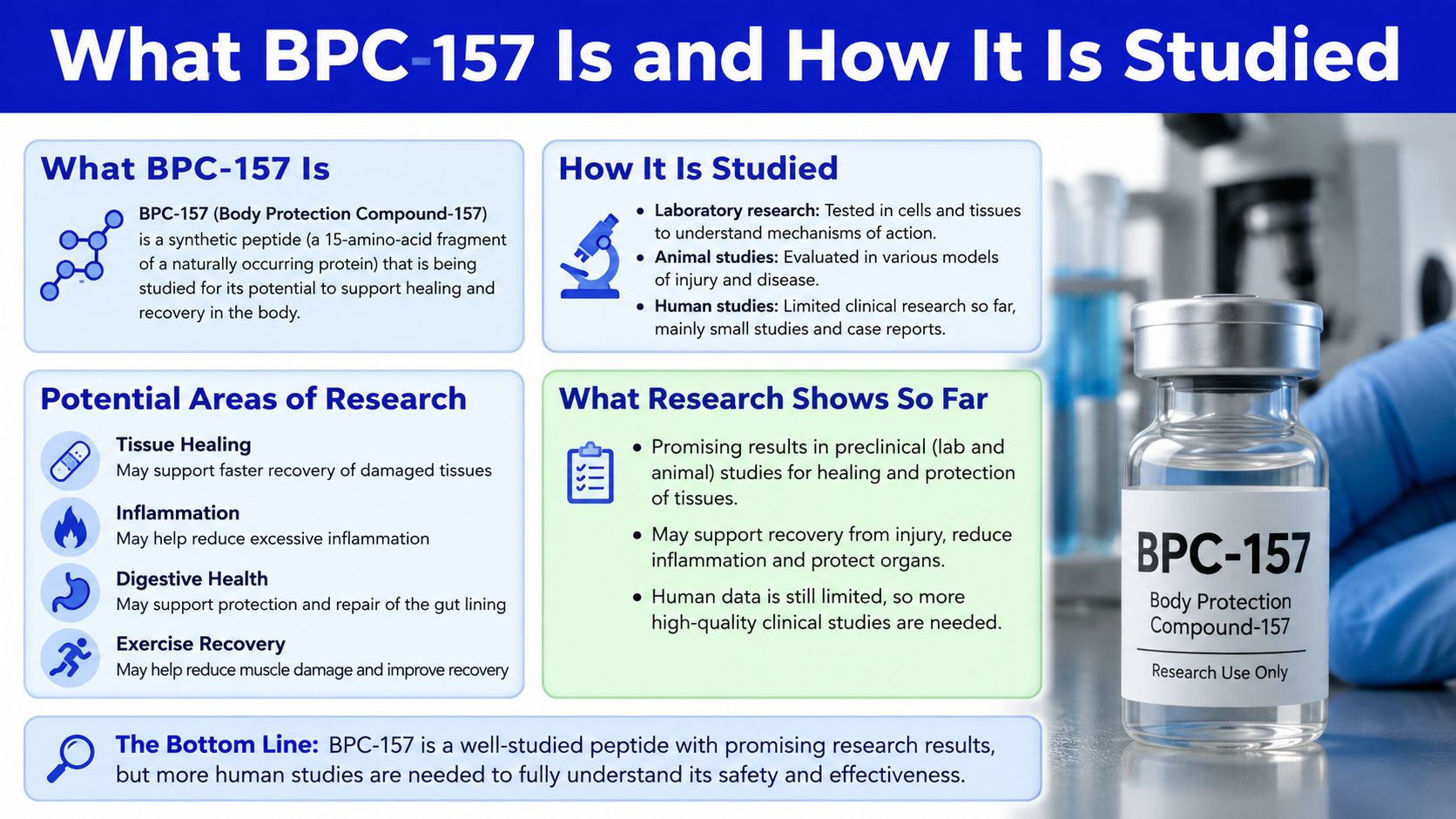
The volume of published material can be misleading. A 2026 review found 544 articles published from 1993 to 2024, but screening narrowed the included literature to 36 studies, comprising 35 preclinical studies and one clinical study. The BPC-157 literature review shows why a large article count shouldn't be mistaken for a large human evidence base.
Another review described BPC-157 development as rudimentary, with no approved formulation, no validated dosing regimen, and no completed Phase II clinical trial. It also described three uncontrolled pilot studies involving fewer than 30 subjects combined. The clinical development review places the compound in an early research category, despite its long preclinical history.
The human studies that have been described cover areas such as intraarticular knee pain, interstitial cystitis, and intravenous safety or pharmacokinetics. Those pilots may help researchers identify questions for larger trials, but they don't establish a general recovery protocol or prove effectiveness across injuries and conditions.
A further development is an ongoing Phase 2 randomized, double-blind, placebo-controlled hamstring-strain trial registered in 2026. It uses MRI injury volume at Day 14 and return-to-sport time as co-primary endpoints, which indicates that more rigorous testing is only now being applied to a specific clinical question.
For researchers, the important takeaway is that BPC-157's breadth of preclinical investigation exceeds its human validation. Its research rationale may be relevant to tissue repair or vascular signaling models, but the appropriate conclusion remains cautious and indication-specific.
KPV is a three-amino-acid melanocortin-derived tripeptide made from lysine, proline, and valine. Its research profile is narrower than BPC-157's, but its mechanism is unusually specific. Investigators have focused on KPV's anti-inflammatory activity in intestinal epithelial cells, immune cells, and colitis models.
The key feature is PepT1-mediated uptake. PepT1 is a transporter that can move small peptide fragments into intestinal cells. A useful analogy is a building with a controlled internal entrance. KPV isn't only being studied as a signal that knocks on the outside of a cell. In relevant models, PepT1 can help carry it inside, where it may influence inflammatory signaling.
Research has linked nanomolar KPV activity in cell and animal models to inhibition of NF-κB and MAP kinase signaling. These pathways help regulate inflammatory gene expression and cytokine release. When the signaling activity is reduced in a model, researchers may observe lower pro-inflammatory cytokine secretion and less severe colitis.
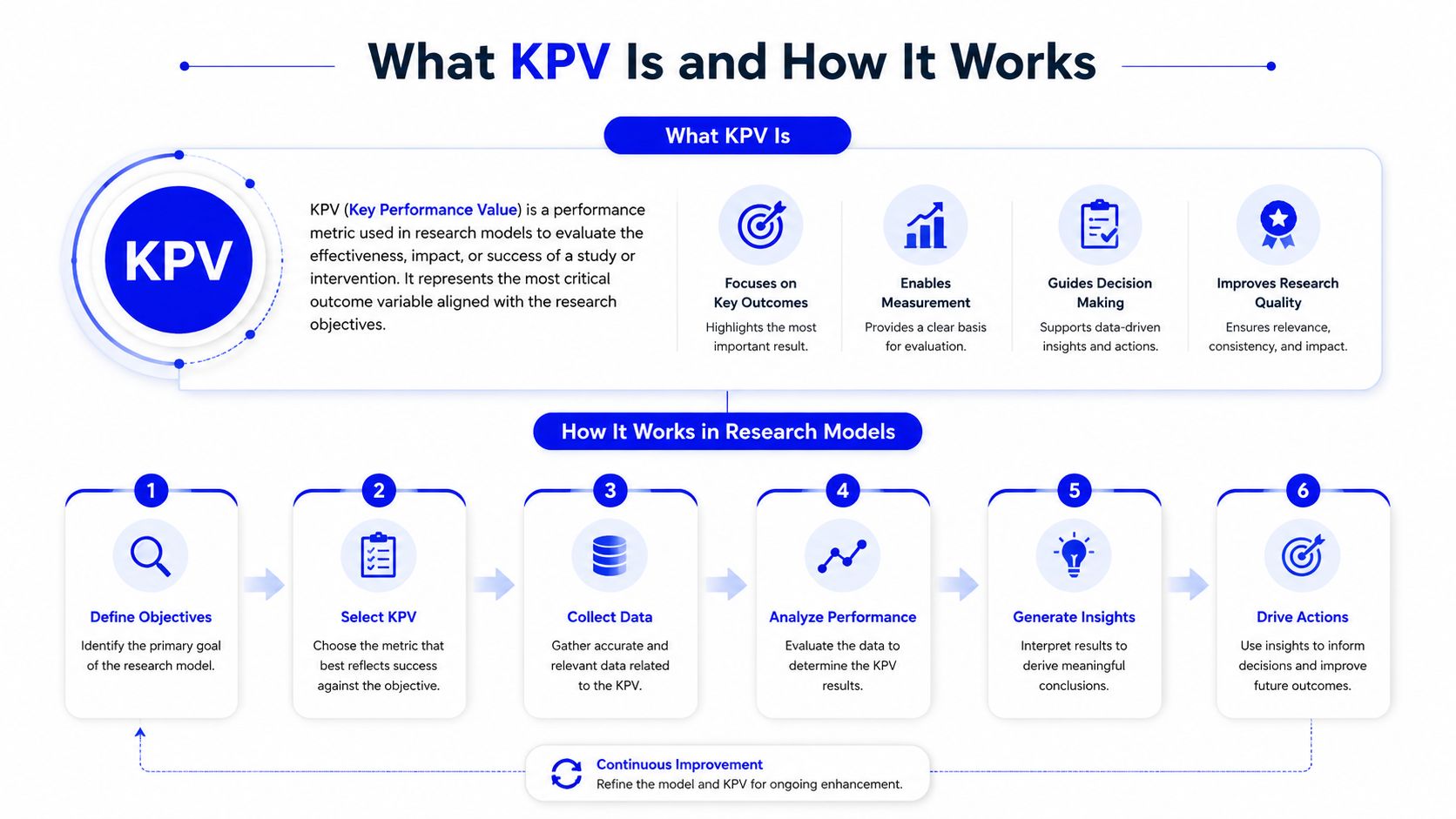
The 2008 intestinal study established an important part of this research direction by showing that KPV can enter intestinal cells through PepT1 and reduce intestinal inflammation in IBD-related models. The intestinal transport and inflammation research further describes how transporter expression may influence activity in gut-focused preclinical work.
That transporter detail prevents an easy mistake. A peptide's effect in a model may depend on whether the relevant cells express the transporter needed for uptake. Researchers therefore need to consider cell type, tissue context, delivery format, and endpoint rather than treating KPV as a general anti-inflammatory switch.
KPV's preclinical profile includes significant anti-inflammatory effects in two murine colitis models, and the original research described it as a potentially interesting option for inflammatory bowel disease research. The published colitis-model findings support continued investigation, but they don't establish human dosing, clinical efficacy, or large-scale safety.
The simplest comparison is this: BPC-157 is studied primarily around tissue repair and vascular-related pathways, while KPV is studied primarily around intracellular inflammatory signaling. Both may appear in conversations about gut research, but that shared topic doesn't make them substitutes.
A researcher choosing between them should begin with the biological question. If the model examines wound closure, vascular responses, or musculoskeletal tissue recovery, BPC-157 may align more closely with the research rationale. If the model examines intestinal inflammation, PepT1 uptake, NF-κB activity, or cytokine signaling, KPV may provide the more direct mechanistic fit.
| Feature | BPC-157 | KPV |
|---|---|---|
| Molecular structure | 15-amino-acid pentadecapeptide | Three-amino-acid tripeptide |
| Main research emphasis | Tissue repair, wound healing, musculoskeletal recovery, angiogenesis, and nitric-oxide-related pathways | Intracellular anti-inflammatory signaling, intestinal inflammation, and immune-cell activity |
| Mechanistic lens | Studied as a tissue-repair and vascular-modulating compound in preclinical models | Studied through PepT1-mediated cellular uptake and inhibition of NF-κB and MAP kinase signaling |
| Research footprint | Broad preclinical literature spanning more than three decades, with limited human pilot evidence | Narrower historical footprint, dominated by cell and animal research |
| Human evidence | Three published human pilot studies with fewer than 30 total subjects, according to review literature | No completed large-scale human clinical trials and no registered human clinical trials specifically for KPV as of 2026 |
| Appropriate interpretation | A promising but early tissue-repair research compound | A mechanistically interesting but minimally human-validated anti-inflammatory research compound |
| Interchangeability | Not interchangeable with KPV | Not interchangeable with BPC-157 |
BPC-157's preclinical history spans more than three decades, with a 2026 review identifying studies from 1993 through 2024. KPV's foundational intestinal transport work dates to 2008, but later reviews still characterize its evidence as overwhelmingly preclinical. These timelines show research maturity in publication history, not proof of clinical benefit.
Research rule: Match the peptide to the endpoint, not to the popularity of a product page.
The comparison also clarifies why “stack” language requires caution. Combining BPC-157 and KPV may sound logical because one is associated with repair and the other with inflammation, but a theoretical complement is not the same as demonstrated combined efficacy. Without controlled human trials, researchers and readers shouldn't treat a BPC-157 and KPV combination as a validated recovery system.
Regulatory attention can sound more decisive than it is. In July 2026, an FDA advisory panel narrowly backed placing BPC-157 and KPV on the 503A bulk-drug compounding list, while FDA staff said the compounds weren't well characterized and that the evidence base remained thin. Coverage of the FDA advisory panel review provides important context for interpreting that event.
The key point is that an advisory committee vote isn't FDA approval. It doesn't establish that either peptide is proven safe or effective, and it doesn't create a validated dosing regimen. FDA briefing materials still flagged insufficient characterization and a lack of adequate safety and efficacy data.
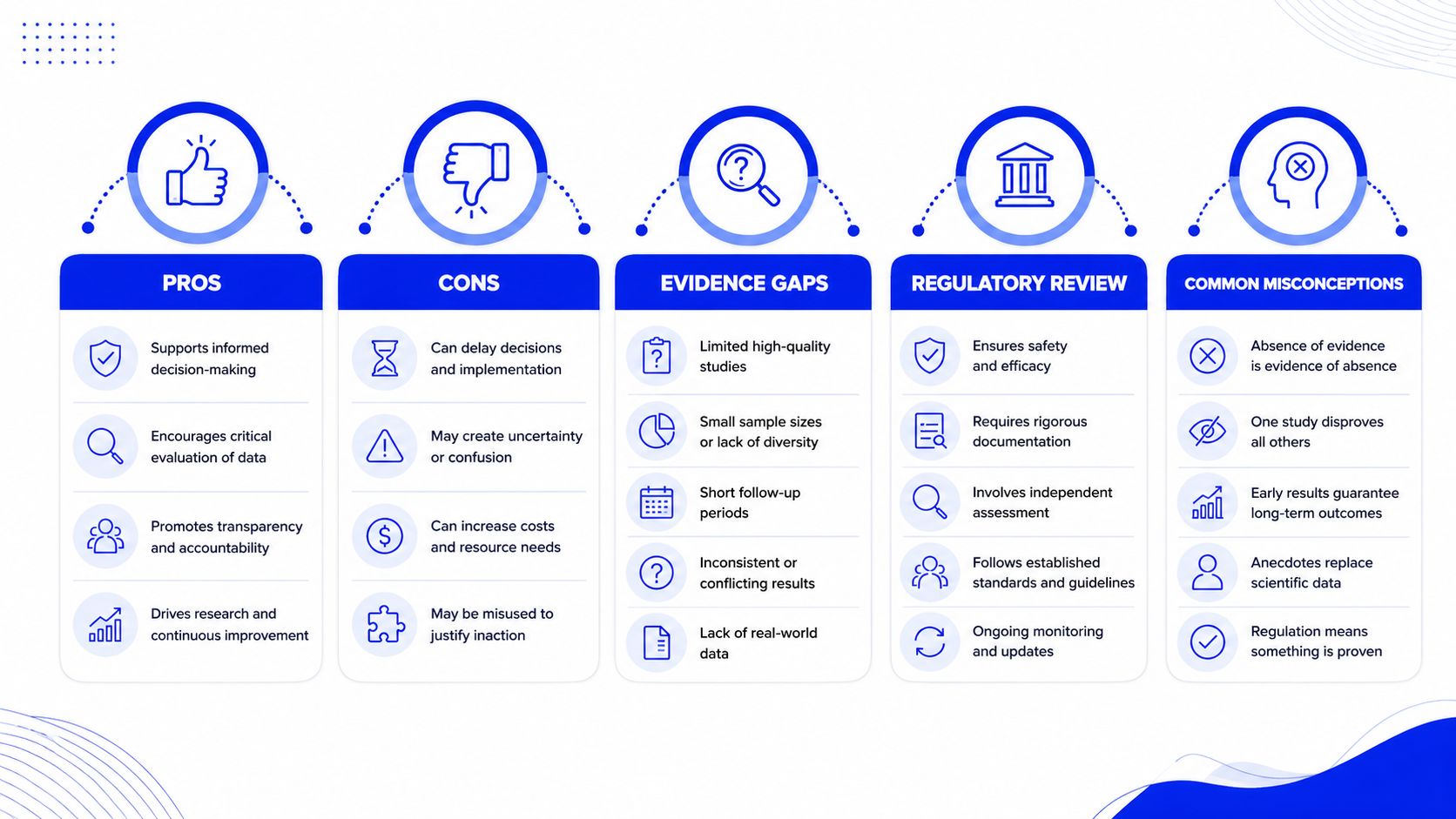
A 2026 evidence summary also emphasized that BPC-157 had some small human pilots, while KPV had anti-inflammatory signals mainly from animal and cell studies. The public comment discussing the evidence and regulatory questions reinforces why consumers should ask which exact use has human data instead of assuming that all “healing peptide” claims carry equal weight.
Readers interested in non-peptide discussions of inflammation can also review heat therapy for chronic inflammation as a separate wellness topic. It shouldn't be treated as evidence for BPC-157 or KPV, but it offers useful context for comparing research compounds with broader, non-drug approaches.
A useful research decision starts with a specific question, not “Which peptide is better?” Define the measured endpoint, the tissue or cell type, and the evidence level involved, whether mechanistic, animal-based, pilot human, or supported by controlled clinical trials. This keeps marketing language from substituting for study design.
BPC-157 and KPV may appear together in product listings, yet they address different research questions. BPC-157 studies may examine tissue repair, wound models, vascular signaling, or musculoskeletal recovery. KPV studies may examine PepT1 expression, intestinal epithelial uptake, NF-κB activity, MAP kinase signaling, or inflammatory cytokine release. A shared label such as “healing peptide” does not make their mechanisms or evidence interchangeable.
Peptide Warehouse USA lists research peptides and related compounds for laboratory, analytical, and preclinical applications. Its BPC-157 listings and KLOW Blend listing, which includes BPC-157 and KPV, are labeled for research use only and are not intended for human consumption. Product documentation should be evaluated against the protocol rather than the product name.
The practical conclusion is straightforward: BPC-157 and KPV are distinct research compounds with different biological rationales and different evidence gaps. Researchers and buyers should compare the exact model, endpoint, route, material documentation, and regulatory status. That approach separates a legitimate research question from a bundled marketing claim.
Peptide Warehouse USA provides US-manufactured research peptides, including BPC-157 and listings that include KPV, for laboratory, analytical, and preclinical work. Visit Peptide Warehouse USA to review available options while keeping procurement aligned with research-use-only requirements.