No products in the cart.

Those seeking BPC 157 for sale near me have likely encountered the same messy pattern. One result looks like a local wellness clinic. Another looks like a generic peptide store with thin product details. A third promises fast results but barely says what the vial contains.
That confusion isn’t accidental. BPC-157 sits in a category where search intent, local availability, regulatory status, and research-grade quality often get mixed together. For anyone trying to source it responsibly for laboratory or analytical work, the actual job isn’t finding a seller. It’s identifying a supplier that documents identity, purity, handling, and research-use status clearly enough to trust.
This guide takes a procurement-first view. The focus is practical. How to interpret “near me,” how to separate clinic marketing from legitimate research supply, what to check on a COA, and which red flags usually signal trouble before you place an order.
The phrase BPC 157 for sale near me sounds simple, but the search results rarely are. Buyers usually get a mix of clinic pages, research chemical listings, and vague ecommerce stores that don’t clearly explain what is being sold or under what framework it can be purchased.

One of the biggest gaps in this topic is local legality and sourcing clarity. A review of this search environment notes that many high-ranking pages are clinic-style pages focused on selling treatment, not explaining regulatory status or what a nearby buyer is allowed to purchase. That same discussion also notes that FDA actions have targeted compounded products containing BPC-157, while many local pages still market it like routine therapy without clearly separating research use, clinic use, and consumer retail availability in this analysis of BPC-157 local search confusion.
A local clinic page and a research supplier page may both mention BPC-157, but they serve very different purposes. One is usually built around service delivery. The other should be built around documentation, batch control, and laboratory handling.
That difference matters because buyers often assume “for sale near me” means a local storefront. With research peptides, it often means something else entirely. It may mean a domestic supplier with a real shipping origin, lot documentation, and a process that supports traceable procurement.
Practical rule: If the page spends more space on outcomes than on identity, purity, batch documents, and research-use language, treat it as a marketing page first and a procurement page second.
When people type this keyword, they’re often looking at one of three channels:
Only one of those channels is structured the way a careful lab buyer would expect.
A strong procurement process starts by accepting that the search term is ambiguous. Once you stop treating it like a normal retail query, the path becomes clearer.
For research peptides, “near me” usually doesn’t mean a shelf in a nearby store. It means a supplier that can ship quickly within the United States, document what it’s sending, and support the order with traceable product records.
That distinction makes more sense once you look at the evidence base. BPC-157 is a 15-amino-acid synthetic peptide derived from a fragment of a protein found in human gastric juice, but the current literature is still dominated by animal and preclinical work rather than human trials. A 2025 narrative review says human data remain exceedingly sparse and highlights only a pilot study in 2 healthy adults, where intravenous BPC-157 was reported as well tolerated and plasma levels returned to baseline within 24 hours in the 2025 narrative review on BPC-157.
When a compound is sold for research purposes, procurement standards matter more than storefront convenience. You need shipping reliability, lot traceability, and storage consistency. A nearby clinic may be geographically close, but that doesn’t make it the right source for laboratory work.
A domestic research supplier is often the more practical interpretation of “near me” because it reduces avoidable friction such as unclear transit conditions, customs delays, or poor documentation. For sensitive materials, operational reliability beats local appearance.
“Near me” is useful only if it leads to a source that can verify what is in the vial and how the lot was tested.
Use this framework when evaluating what “near me” should mean:
| Source type | What it usually offers | Main concern |
|---|---|---|
| Local clinic | Service model, consultation, treatment framing | Often limited procurement transparency |
| Overseas seller | Broad inventory, low-friction listings | Shipping risk and weaker traceability |
| US-based research supplier | Lot-specific docs, domestic fulfillment, research-use labeling | Requires the buyer to review documentation carefully |
Many buyers improve their results when they stop asking, “Who is physically close?” and start asking, “Who can ship domestically with complete paperwork and consistent handling?”
That shift saves time and reduces risk.
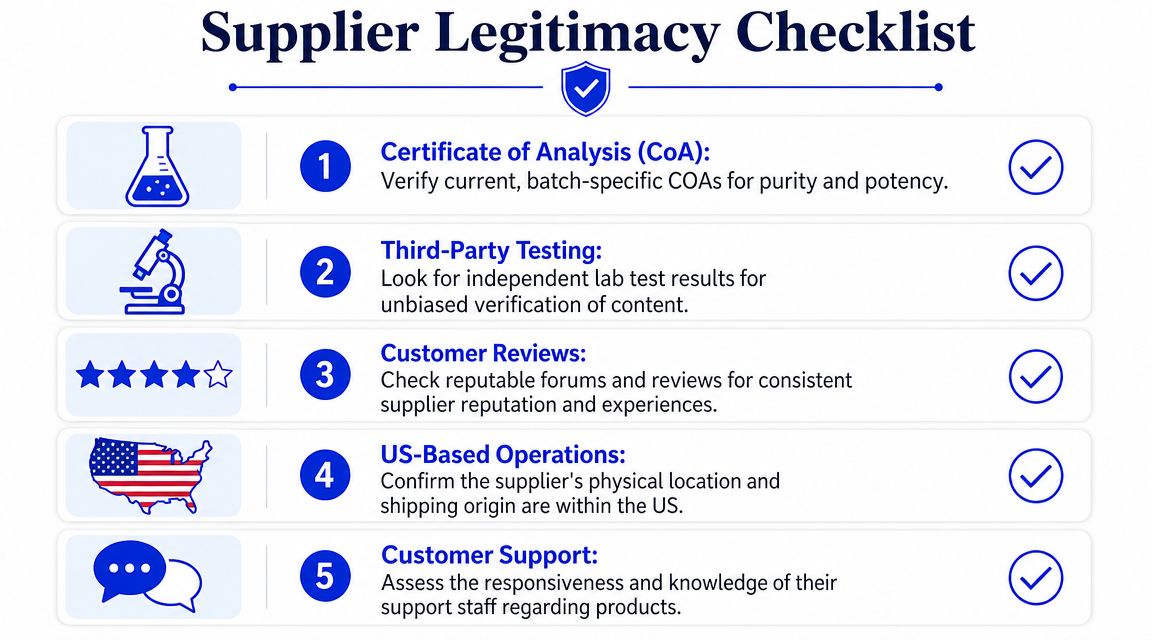
A serious supplier should make verification possible before checkout. If you have to email three times just to see a COA, or if the only proof of quality is a banner that says “99% pure,” you’re already dealing with weak process control.
The most useful benchmark in the supplied data is a lot-level BPC-157 COA reporting 99.915% purity, TFA not detected, and both endotoxin and sterility marked Pass. That same product information identifies the material as a lyophilized powder in a 3 mL sealed vial and states it is for laboratory research use only and not for human use in this BPC-157 product documentation example.
Those details are far more useful than generic sales language because they tell you what was measured, what was absent, and how the material was presented.
HPLC stands for high-performance liquid chromatography. In practice, it is one of the common analytical methods buyers expect to see behind a purity claim. The key point isn’t the acronym itself. The key point is whether the supplier gives enough documentation to connect the purity statement to an actual tested lot.
A dependable review process should be repetitive and a little skeptical. That’s how QC works.
Use a checklist like this before you buy:
Match the lot number
The COA should correspond to the exact batch number associated with the vial or product listing. If the document looks generic or undated, treat it cautiously.
Read beyond the purity headline
A “99%+” label isn’t enough on its own. Look for supporting analytical context, not just a large number in product copy.
Check for residue and contamination indicators
Residual trifluoroacetate matters. Endotoxin and sterility results matter. If those fields are absent, you have less confidence in downstream handling.
Confirm product form
For research supply, the cited example identifies a lyophilized powder. That is the kind of concrete handling detail you want to see because it affects storage, inspection, and reconstitution workflow.
Verify intended use language
The page should say the product is for laboratory research use only and not for human use.
Buy from documentation, not from adjectives.
A legitimate operation typically makes these checks straightforward:
One practical example in this category is Peptide Warehouse USA BPC-157 product availability, where the broader business model centers on research-only supply, batch documentation, and domestic fulfillment rather than clinic-style treatment language. That’s the direction careful buyers should be looking.
The legal side of BPC-157 procurement matters because it tells you what kind of seller you’re dealing with. A transparent research supplier should be explicit about status, intended use, and what it is not offering.
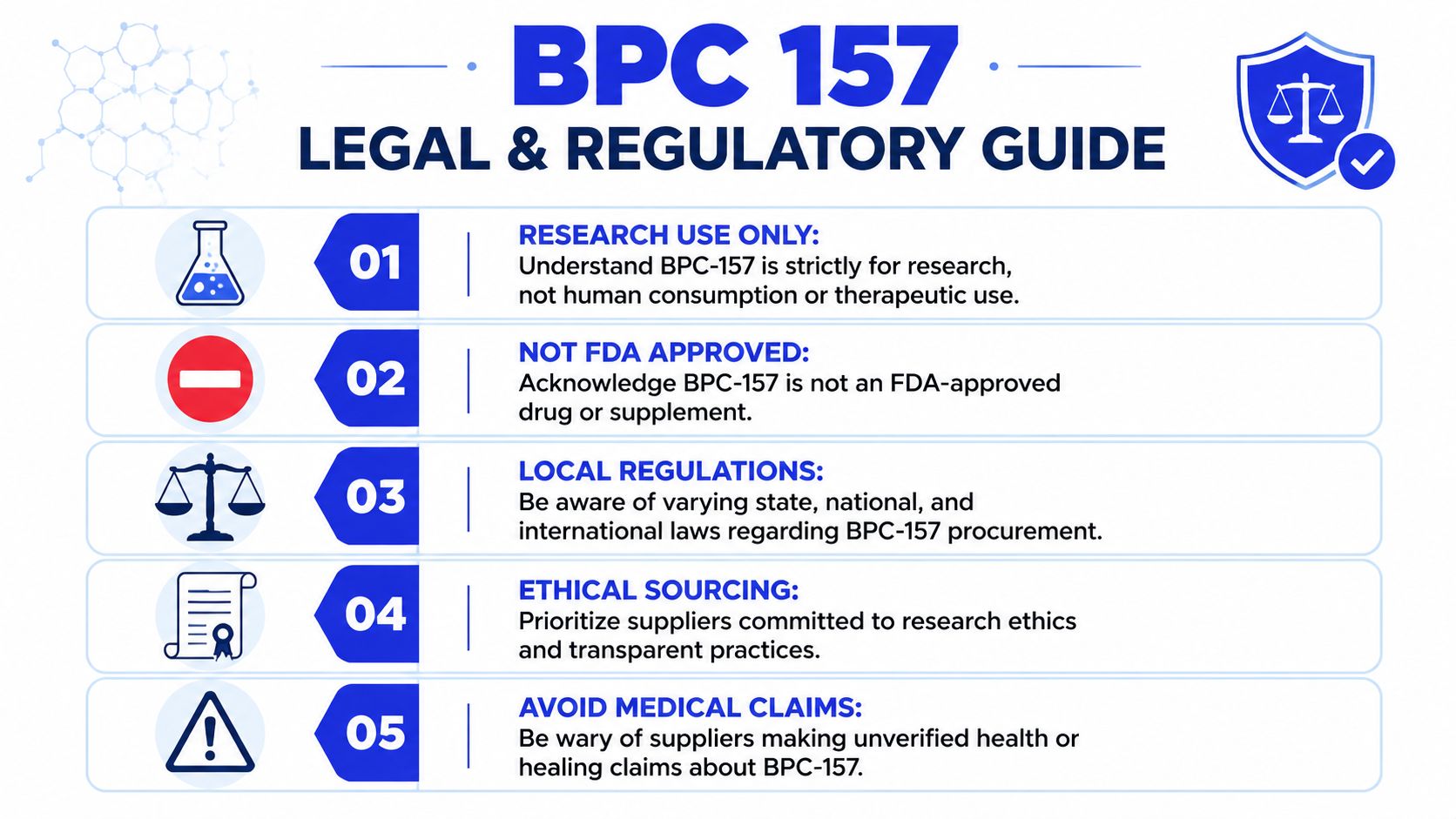
The strongest regulatory facts in the supplied material are straightforward. The World Anti-Doping Agency classifies BPC-157 as an S0 “Unapproved Substance”, and USADA states it is not approved for human clinical use by any global regulatory authority. The same source says there appears to be no legal basis for selling BPC-157 as a drug, food, or dietary supplement, and the FDA has confirmed there is no legal basis for compounding pharmacies to use it in compounded medications in this regulatory summary covering WADA, USADA, and FDA positions.
For procurement, that means buyers should expect compliant sellers to frame BPC-157 as a research compound. They shouldn’t present it like an approved consumer wellness product, and they shouldn’t blur the line between research inventory and pharmacy-style access.
A clean supplier page usually sounds less exciting than a gray-market sales page. That’s a good sign.
Compliance isn’t only about product wording. It also shows up in shipping policy, restricted-destination handling, and order controls. If a supplier ships a sensitive research compound with no meaningful policy language, that tells you something about their process discipline.
For teams reviewing fulfillment risk, Ship Restrict for pharmaceutical shipping is a useful operational resource because it highlights why controlled products often need tighter shipping logic than standard ecommerce items.
A seller that ignores compliance details in fulfillment often ignores them in documentation too.
Here is the practical takeaway:
Most bad peptide listings tell on themselves. They either promise too much, document too little, or both.
The safest buying posture is skepticism. A research product should read like a technical listing, not a treatment ad.
BPC-157 is discussed heavily because preclinical work has been interesting. One supplied source identifies it as a 15-amino-acid peptide with sequence Gly-Glu-Pro-Pro-Pro-Gly-Lys-Pro-Ala-Asp-Asp-Ala-Gly-Leu-Val, molecular weight 1419.535 g/mol, and CAS 137525-51-0, while also describing animal work such as complete quadriceps muscle-to-bone reattachment in rats in this BPC-157 research product summary.
That context matters for one reason. It explains why sellers should stick to identity and research documentation instead of making unsubstantiated human claims.
Watch for these red flags:
The fastest way to screen a product page is to ask what a lab buyer can confirm from it.
If the page doesn’t provide core identity information, move on. At minimum, buyers should expect concrete product data, not just branding.
Look for missing items like these:
If a supplier gives you lifestyle promises but withholds analytical specifics, they’re asking you to trust marketing over chemistry.
A good buying process for BPC 157 for sale near me ends up looking different from an ordinary local search. You aren’t looking for the closest storefront. You’re looking for the shortest path to documented, domestic, research-use-only inventory.
That usually means choosing a US-based supplier that does four things well:
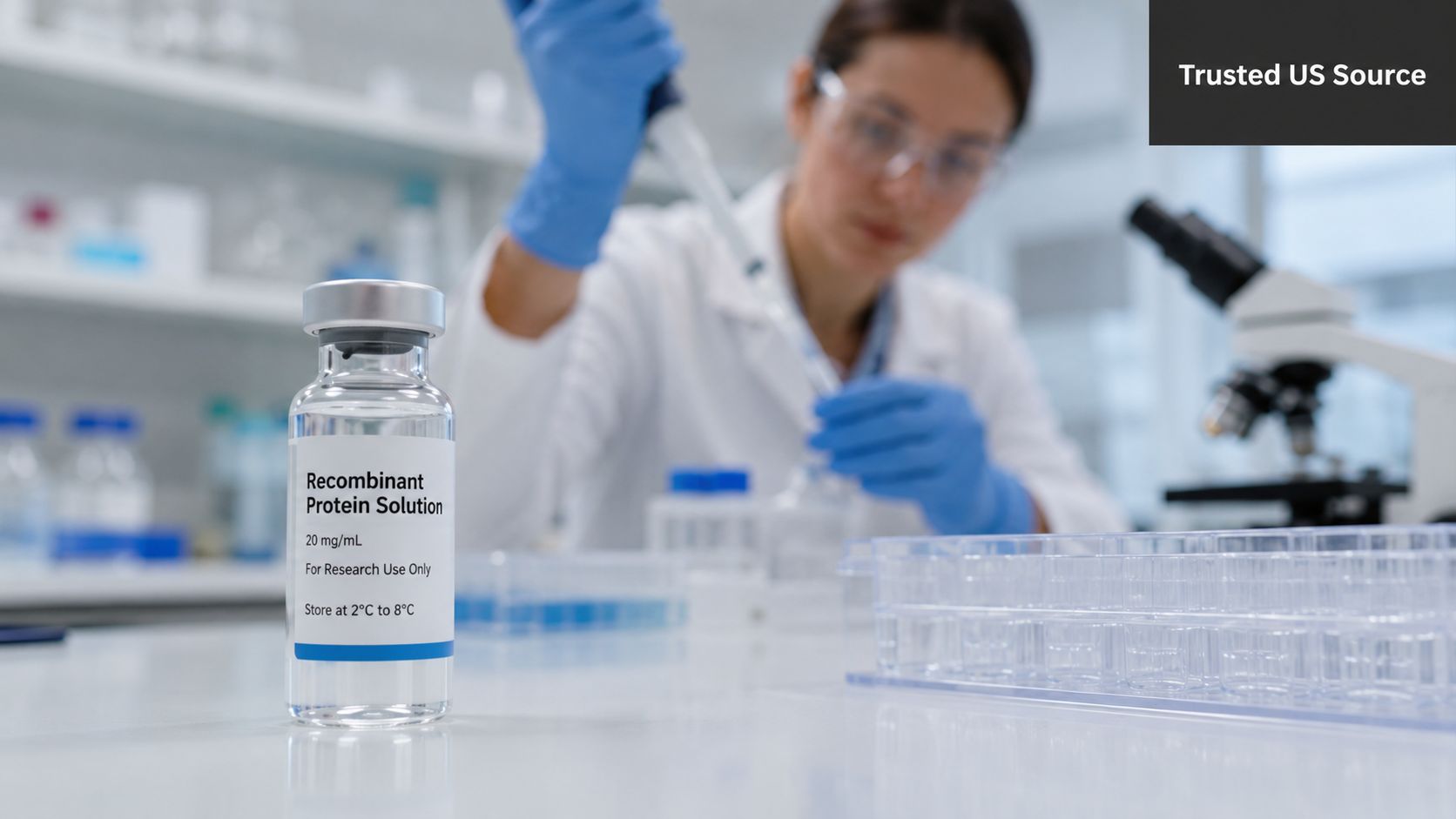
Price matters, but documentation matters more. A cheaper vial with unclear batch support often becomes the more expensive choice once delays, uncertainty, or unusable material enter the workflow.
The most reliable buyers use a simple filter. They choose transparency over hype, domestic traceability over vague global fulfillment, and research documentation over treatment language. That’s what works. What doesn’t work is assuming every “near me” result reflects a legitimate procurement path.
If you’re evaluating research-use-only sourcing standards and want to see a supplier model built around domestic fulfillment, batch documentation, and clear compliance language, learn more at Peptide Warehouse USA. Explore options, review available product information, and compare the documentation standard against the checklist above before you buy.