No products in the cart.
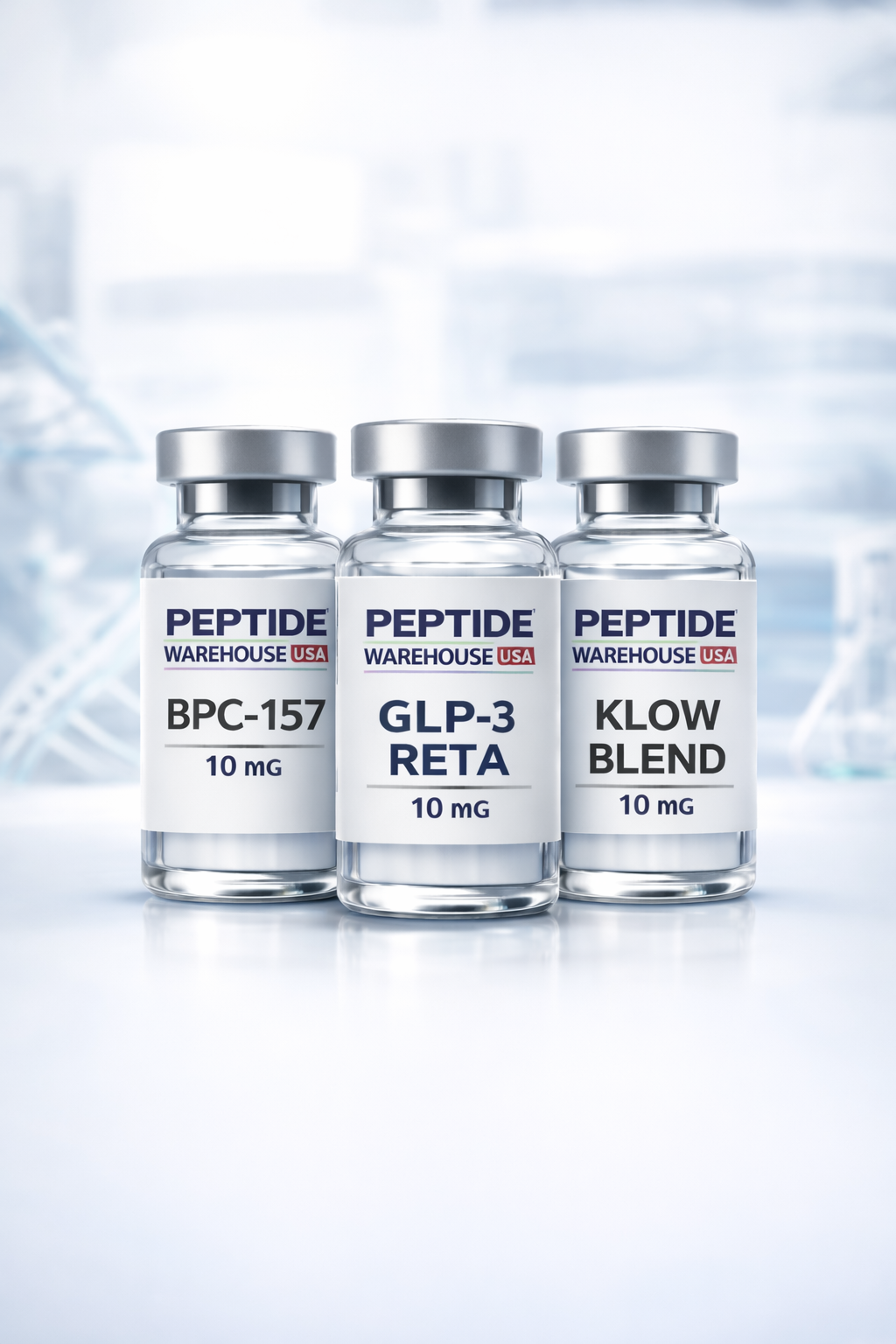


Retatrutide is an investigational “triple-agonist” peptide (targeting GLP-1, GIP, and glucagon receptors) developed by Eli Lilly for obesity and diabetes. It is currently in Phase 3 trials, with potential FDA approval projected around 2026–2027.
In clinical studies, it has demonstrated significant weight loss (up to 24–30%) by increasing fat metabolism and reducing appetite, often surpassing results seen with current GLP-1 medications.
Browse research peptides here:
—
Retatrutide targets three different metabolic pathways:
GLP-1 (Glucagon-like peptide-1)
Enhances insulin secretion, slows gastric emptying, and increases satiety (feeling full).
GIP (Glucose-dependent insulinotropic polypeptide)
Supports insulin response and improves fat metabolism.
Glucagon
Increases energy expenditure (burning calories) and promotes the breakdown of stored fat.
This triple-action mechanism is what separates Retatrutide from traditional GLP-1-based peptides.
—
Because this peptide slows down your body’s ability to process what you ingest, it is best to refrain from alcohol use while studying it.
At minimum, proceed with caution, as effects may be amplified. For example, one drink may feel like two, and effects may last longer than expected.
—
In clinical trials, a gradual titration method was used. Patients typically started at 0.5 mg to 1 mg per week for the first couple of weeks before gradually increasing to 2 mg per week, then 3 mg, and so on.
This approach was found to be the most effective protocol, producing greater weight loss over a 48-week period.
Eventually, some patients reached 4–8 mg per week.
– Helps reduce gastrointestinal (GI) side effects such as nausea and vomiting
– Higher doses (above ~3 mg per week) may increase the likelihood of GI-related side effects
—
There are currently no studies on Retatrutide Peptide (still in clinical trials) that evaluate micro dosing.
Because of this, there is no confirmed data on its effectiveness in that context. While some may assume micro dosing based on the “start low, go slow” method, this is not the same approach.
—
Retatrutide has a half-life of approximately 6 days. This means it takes time to build up in your system before noticeable effects occur.
Most individuals report feeling the full effects around the 3-week mark. Likewise, it may take time to fully clear from the system after discontinuation.
—
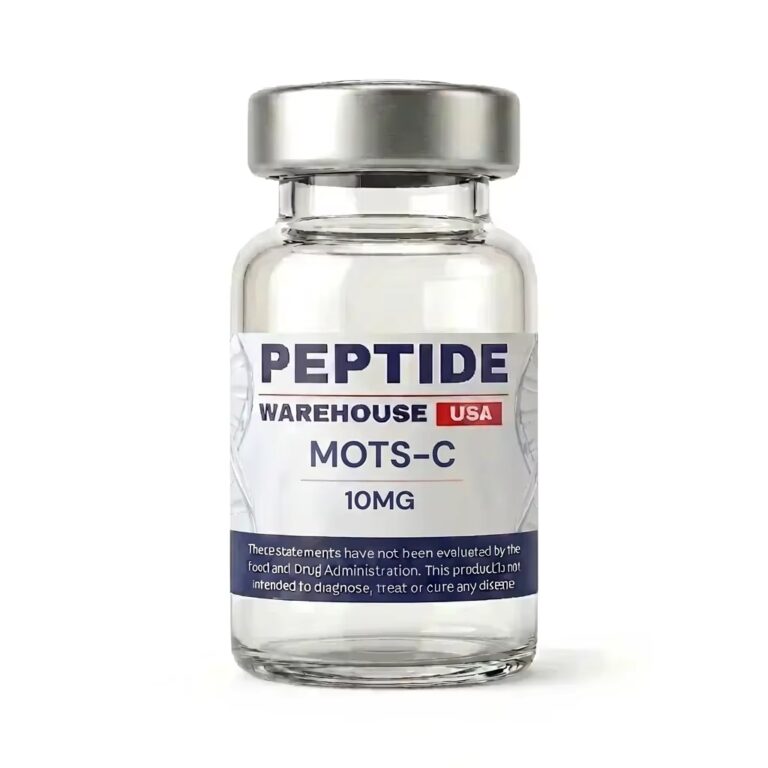
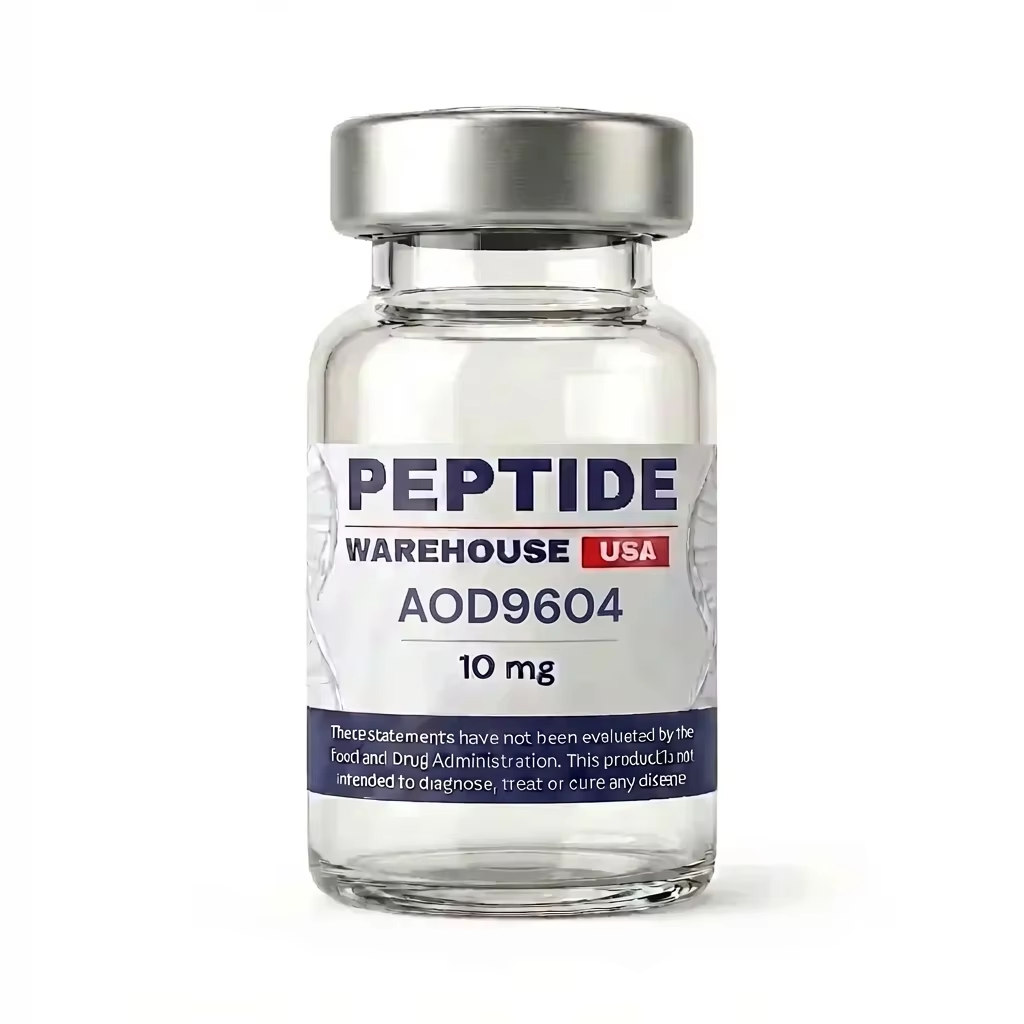
MOTS-C and AOD-9604 as Supporting Compounds (Antagonists to Supercharge your weight loss)
AOD-9604
Designed to stimulate fat breakdown (lipolysis) and inhibit new fat cell formation (lipogenesis) without affecting blood sugar. It targets beta-3 adrenergic receptors to increase metabolism and promote fat loss.
MOTS-C
A mitochondrial-derived peptide (MDP) that acts as an exercise mimetic. It improves insulin sensitivity, enhances fat metabolism, boosts metabolic health, and may help reduce inflammation.
AOD-9604 may act synergistically with GLP-based peptides to target stubborn fat storage.
MOTS-C is often used when tapering off GLP-based compounds to help manage weight rebound, improve energy levels, and support mitochondrial function.
—
Final Thoughts
Retatrutide Peptide represents a new class of triple-agonist peptides being studied for metabolic research. Its ability to target multiple pathways simultaneously makes it one of the most interesting compounds currently in development.
As with all research peptides, sourcing quality and verified testing is critical.
Explore high-purity research peptides here: