No products in the cart.
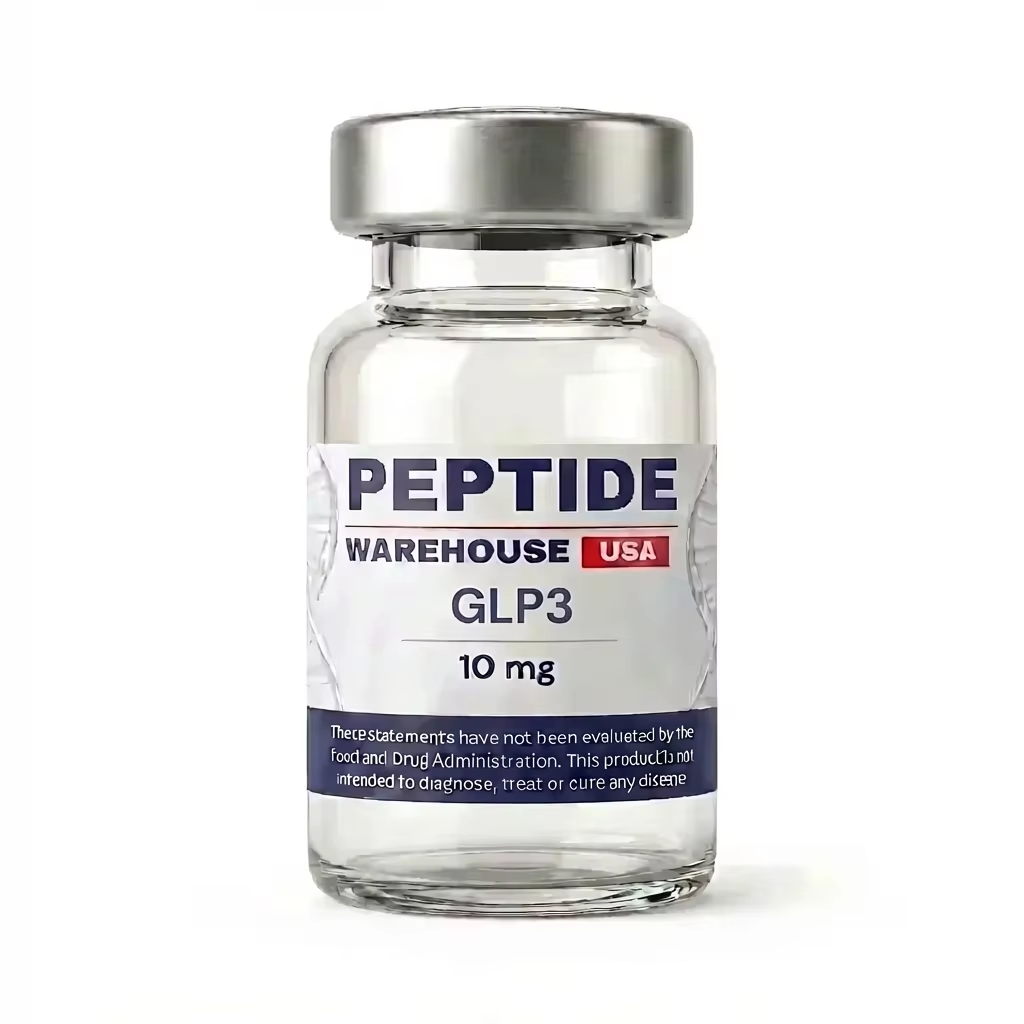


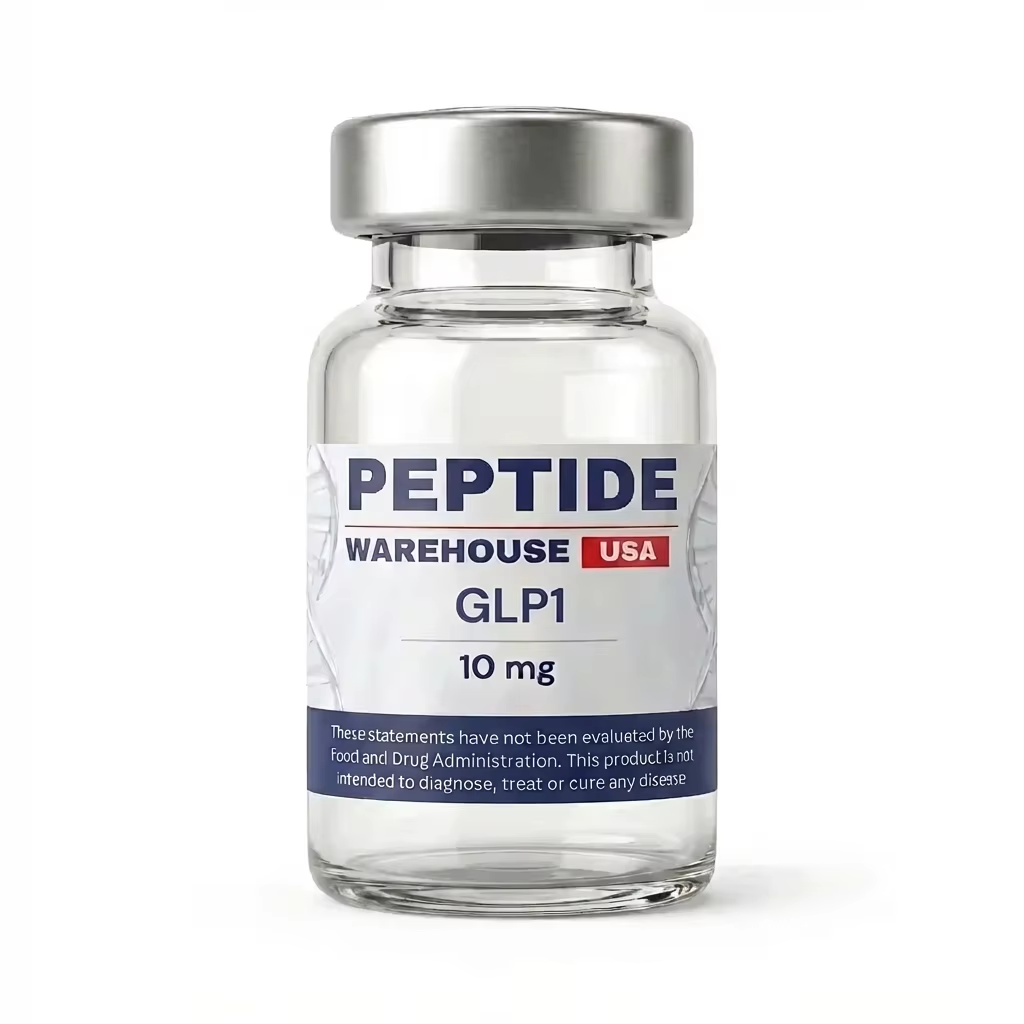
Retatrutide vs Semaglutide is one of the most searched topics in weight loss and metabolic health right now. Both peptides are designed to support fat loss and appetite control, but they work in very different ways.
Semaglutide is a GLP-1 receptor agonist that helps regulate blood sugar, slow gastric emptying, and reduce appetite. It has become widely known for its effectiveness in weight loss and is commonly used in clinical settings.
Retatrutide is a next-generation peptide that targets three receptors: GLP-1, GIP, and glucagon. This triple-agonist approach allows it to impact multiple metabolic pathways at once.
When comparing Retatrutide vs Semaglutide, the biggest difference is how they affect metabolism.
This added metabolic effect is why Retatrutide has shown more aggressive fat loss results in early trials.
In clinical trials:
This makes Retatrutide one of the most promising peptides currently being studied.
Retatrutide vs Semaglutide differs significantly in how each peptide works:
Retatrutide activates all three, while Semaglutide only targets GLP-1.
The answer depends on your goal.
Retatrutide vs Semaglutide is not about which is “better” universally, but which aligns with your objective.
Retatrutide vs Semaglutide will continue to be a major topic as research develops. Both peptides play important roles in fat loss and metabolic health.
Understanding the differences can help guide smarter decisions when researching peptides.

💥 Use code PWBLOG10 for 10% off your order