No products in the cart.



You’re probably seeing the same pattern most first-time buyers see when searching where to buy PT-141. One site presents it like a prescription medication. Another lists it as a research peptide. A third shows a different form entirely and says almost nothing about testing, lot records, or quality controls.
That confusion matters. With a sensitive compound, the primary question isn’t just who will sell it. More importantly, it is whether you can verify what you’re buying, what channel it belongs to, and whether the documentation matches the intended use.
A careful buyer works backward from verification. Start with product category. Then confirm whether the seller is a licensed pharmacy, a compounding operation, or a research supplier. After that, review lot-specific records, purity claims, and contamination screening before you place an order. That process protects your work far better than shopping by price alone.
A new researcher opens three browser tabs after searching for PT-141. One tab shows a prescription product page. Another shows a compounded pharmacy listing. The third offers a research peptide vial with a COA download button. The names look close enough to suggest they belong to the same buying decision. They do not.
PT-141 refers to bremelanotide, but the name appears across different channels that follow different rules. According to the Wells Pharmacy product reference for bremelanotide PT-141, bremelanotide is an FDA-approved prescription medication, and legitimate patient access runs through a licensed prescriber and pharmacy. That point matters at the start because sourcing errors often begin with a category error, not a pricing error.
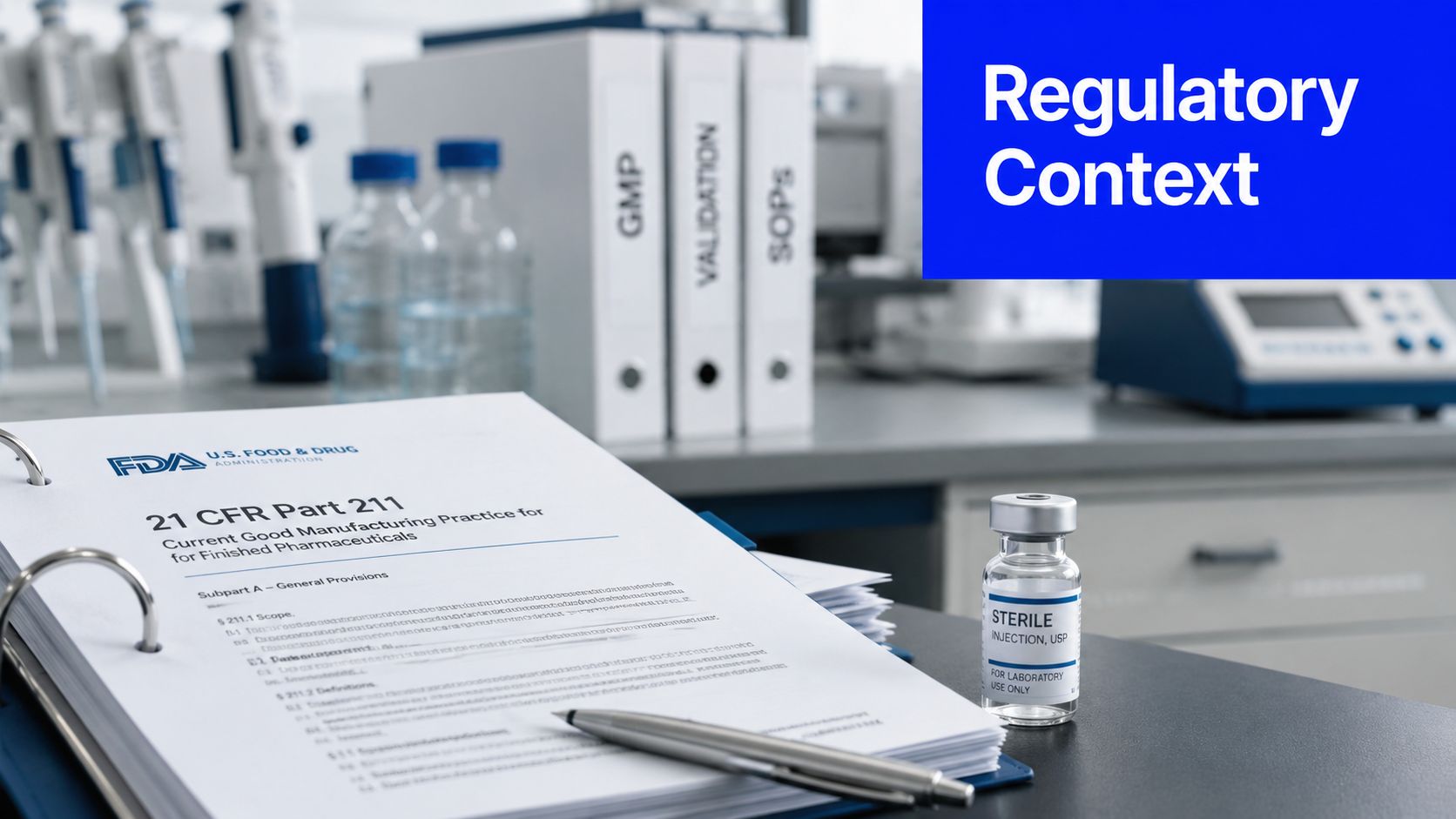
The confusion comes from shared naming across separate procurement systems.
A regulated prescription product is judged by prescribing and dispensing controls. A compounded preparation is judged through the pharmacy and prescriber framework attached to that order. A research-use peptide is judged by batch documentation, labeling, and traceability for laboratory use. If you treat those as interchangeable, you will read the wrong signals and may accept the wrong form of documentation.
This works like receiving three containers with similar labels in a lab. One is a finished reference standard. One is a patient-dispensed formulation. One is a raw research material. The label may share a core name, but the handling rules, records, and intended use are different.
Start by identifying the channel. Verification only works if you apply the right standard to the right product type.
For practical screening, separate PT-141 listings into two main buying paths:
| Buying path | Typical access method | What you should expect |
|---|---|---|
| Prescription medicine | Licensed prescriber and pharmacy | Regulated dispensing and patient-facing labeling |
| Research supply | Research supplier | Research-use labeling and batch-specific technical documentation |
That distinction changes the verification process.
A pharmacy listing should show signs of regulated patient access. A research listing should show signs of analytical control. If a seller blurs those signals, for example by using research language beside patient-style claims, or by offering no batch records for a laboratory product, treat that as a warning sign and slow the review down.
The approved prescription product is commonly known as Vyleesi. Online PT-141 listings may describe different forms, different strengths, or different intended uses. That is why a search result alone tells you almost nothing about whether the supplier fits your purpose.
For a new researcher, the lesson is simple. Similar names do not make products interchangeable. A regulated drug, a compounded preparation, and a lyophilized research peptide can all appear under the same search term, yet each belongs to a different compliance framework and requires a different verification standard before purchase.
When I train new staff to source peptides, I tell them to ignore the homepage claims for a moment. Start with the documents. A polished store can still provide weak traceability. A plain store can still provide complete batch support. The file trail tells you which is which.
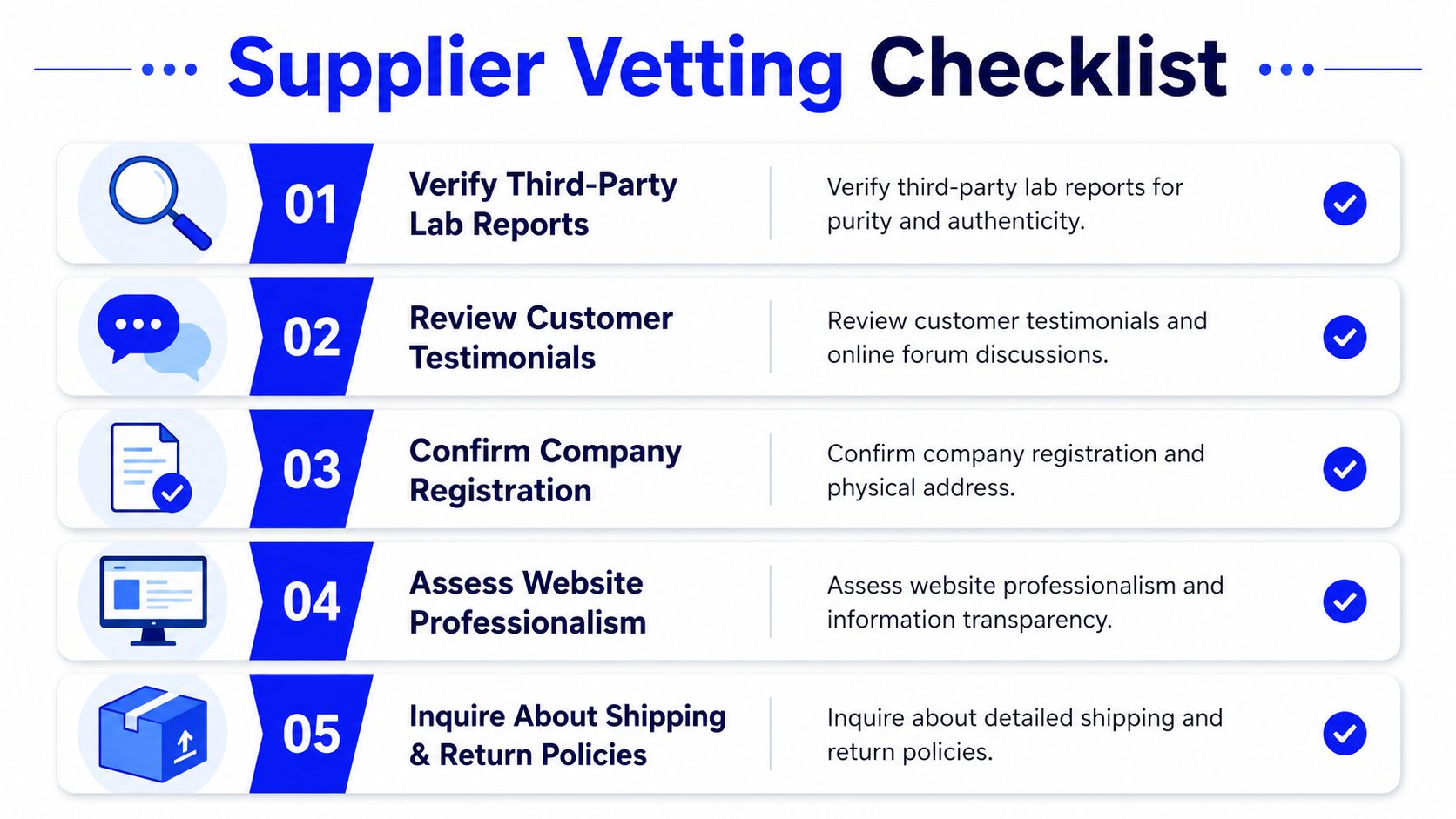
The strongest single filter is the Certificate of Analysis, or COA.
The most reliable buying decision is to require a COA that matches the exact lot number, verifies identity and purity, and reports microbiological and endotoxin status before purchase. That same source states that peptide stability, identity drift, and contamination are the main failure modes in preclinical sourcing, and that buyers should reject any vendor that can’t provide batch-specific documentation.
That is the standard to adopt.
A COA should not feel generic. If the same PDF appears to cover every batch, or if the lot number on the product page doesn’t match the lot number on the document, stop there.
The supplier page should answer basic traceability questions without forcing you to guess.
Look for these elements together:
A vendor that handles PT-141 as a research compound should also be comfortable answering documentation questions before purchase. If support avoids direct answers, that’s useful information.
To see a broad overview of supplier evaluation concepts, this video is a useful companion to the checklist mindset:
Some warning signs are subtle. Others are immediate disqualifiers.
Here are the ones I’d teach a new buyer to catch fast:
No batch-specific COA available
If the seller says testing exists but won’t provide the document tied to the lot, you can’t verify the material.
Purity claim without supporting record
A purity number by itself is marketing copy unless it connects to a real batch document.
Missing contamination data
A peptide can look acceptable on one metric and still fail on another that matters for lab handling.
Product form is vague
If the listing doesn’t clearly state what physical form you’re receiving, you can’t plan storage, preparation, or method fit.
Business identity is unclear
If you can’t tell whether the seller is a pharmacy, compounding operation, or research supplier, the purchase path is already compromised.
Practical rule: Never let urgency lower your documentation standard. Delays are recoverable. Unverifiable material often isn’t.
A factual example helps here. Peptide Warehouse USA positions itself as a research chemical supplier, not a compounding pharmacy, and describes lot-supported documentation such as COAs, microbial reports, endotoxin reports, and stated purity for laboratory, analytical, and preclinical applications. That kind of positioning is what you want to see from a seller operating in the research lane, because it clarifies category and documentation expectations.
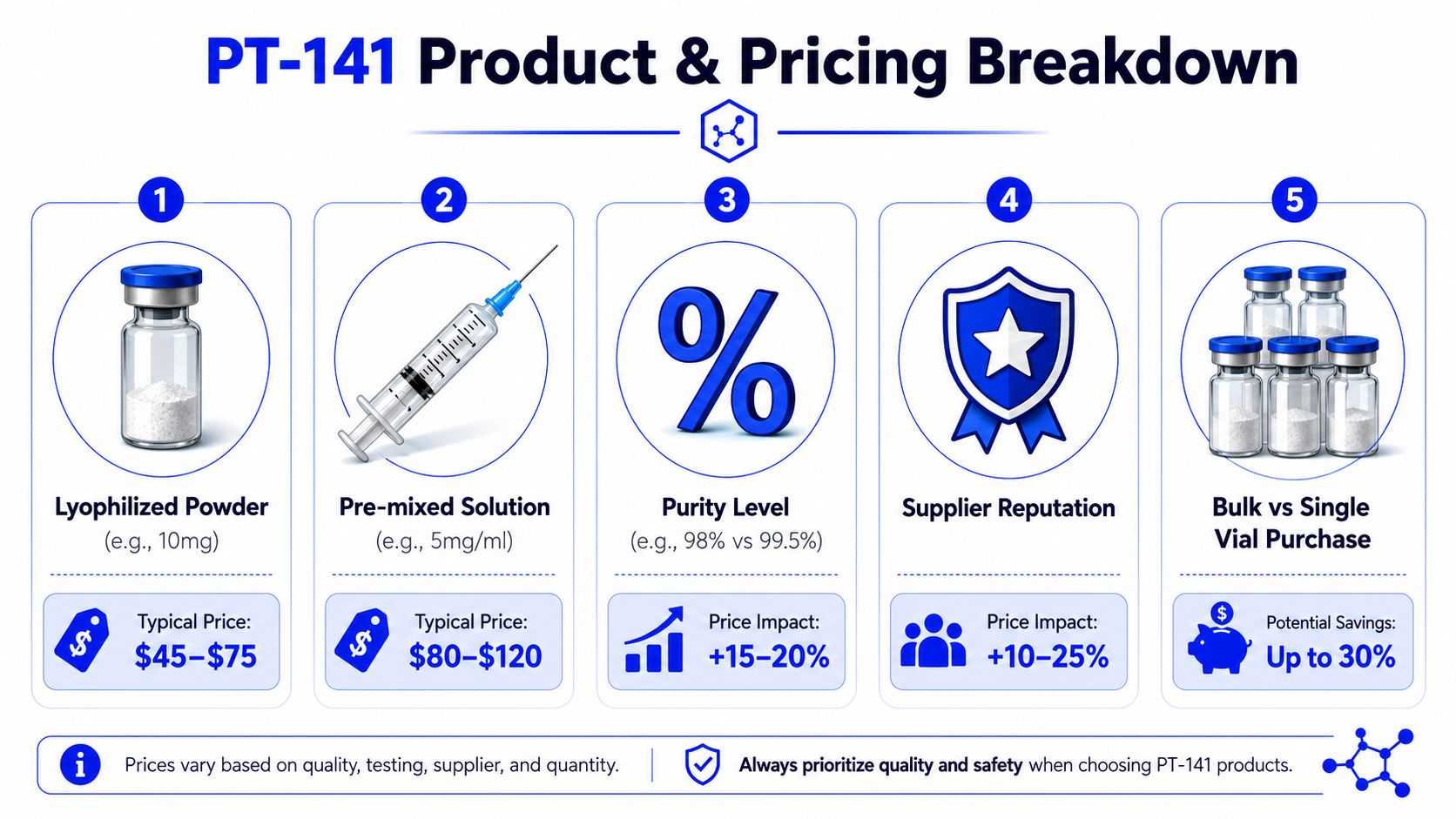
Price only becomes meaningful after you identify what is being sold.
A research vial is usually priced as a laboratory input. A compounded prescription product is priced as a finished patient-facing preparation tied to prescribing, compounding, dispensing, and oversight. Those are different purchase paths, so direct price comparison can mislead you.
Use the same discipline you would use in a lab inventory review. First confirm identity, then compare cost.
| Comparison point | What to verify before comparing price |
|---|---|
| Product form | Confirm whether the listing is a lyophilized vial, troche, nasal format, or another preparation |
| Seller category | Separate research suppliers from pharmacies and compounding operations |
| Documentation set | Check whether the offer includes batch-linked analytical records or only general marketing claims |
| Unit basis | Compare like with like. Per vial, per form, and per preparation type |
| Service layer | Determine whether the price includes only material supply or also prescribing and dispensing steps |
Teams reviewing several offers at once often borrow methods from adjacent procurement fields. If you want a repeatable way to organize side-by-side comparisons, this guide to implementing price comparison solutions gives a useful model for tracking variables without collapsing unlike products into one price column.
Form controls more than convenience. It changes what questions you need to ask.
PT-141 may appear in route-specific formats such as injection, nasal spray, or troche. Those should not be treated as interchangeable with research-grade lyophilized powder. The difference works like comparing a raw reference material to a finished preparation. The label may share the same compound name, but the handling, intended pathway, and evaluation criteria are different.
For research and analytical purchasing, lyophilized powder is often the clearest format to assess because the product definition is narrower and the paperwork is usually easier to map to a batch. That does not make it automatically better. It makes it easier to verify.
A careful buyer asks three questions in order:
That sequence prevents a common error. Buyers sometimes compare a research vial to a compounded dosage form as if both were substitutes on a simple price sheet. They are not.
If two PT-141 listings share a name but differ in form, evaluate them as separate products with separate verification standards.
A verified purchase can still become a poor sample if the handoff is sloppy. Shipping, receiving, storage, and handling all affect whether the material stays suitable for research use.
The larger caution here comes from regulatory enforcement. According to the HydraMed PT-141 injections overview, the U.S. FDA has repeatedly warned that many compounded peptide products are not FDA-approved and has published enforcement actions against unapproved or misbranded injectable products. That’s why buyers need to understand the documentation standards that separate a licensed pharmacy from a research-only supplier.
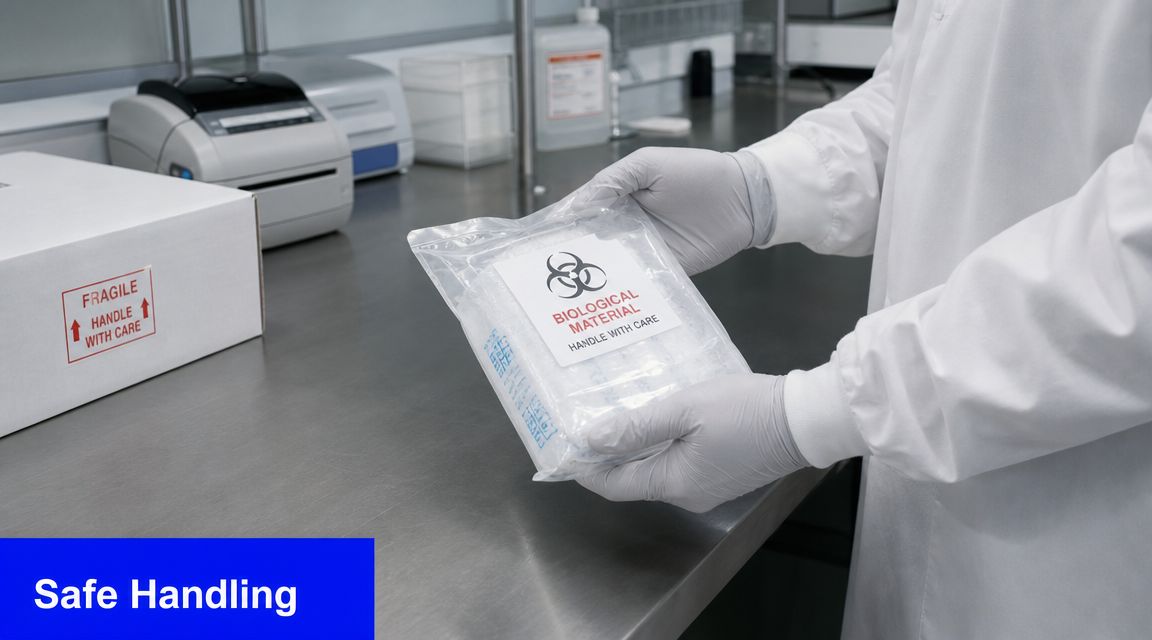
Don’t treat receiving as a clerical step. Treat it like part of quality control.
On arrival, confirm:
If any one of those points fails, pause the workflow and resolve it before the material enters storage or use.
For research peptides, routine discipline matters more than complicated theory.
Use cold, dark, and dry storage conditions appropriate to your lab protocol and product form. Keep the container closed except when necessary. Limit unnecessary handling. Record receipt date, lot number, and storage location so another researcher could trace the sample without asking you.
If reconstitution is part of your process, use sterile technique and follow your internal lab controls. The point is consistency. A peptide that arrives with good documentation can still become unreliable if handling practices are casual.
One more practical point concerns checkout itself. Some buyers also want clarity on payment workflows for research purchases, especially when supplier policies vary. This overview of Peptide crypto payment solutions is helpful if you’re comparing transaction methods and want to understand how alternative payment systems fit into a compliant procurement process.
Receiving is the last chance to catch a mismatch before it becomes an inventory problem.
It means the product is being sold for laboratory, analytical, or preclinical purposes rather than as an approved patient medicine.
In practical terms, that changes everything about the purchase. The seller should present the material in the research channel, use research-use labeling, and provide documentation that supports technical verification rather than patient dispensing. It also means you shouldn’t assume that a research listing is interchangeable with a prescription product merely because the compound name looks familiar.
From a laboratory standpoint, buyers usually want the form that is easiest to define, verify, and handle consistently.
Lyophilized research material often fits that need better than consumer-facing or route-specific formats because it aligns more closely with how research suppliers document identity, purity, and batch traceability. Nasal sprays, troches, and other formats may belong to different channels and introduce variables that complicate comparison. The right choice depends on your actual use case, not on the marketing language around the form.
Three problems should make you stop immediately.
First, the lot number doesn’t match the lot being sold. Second, the document gives a purity claim without clearly tying it to the specific batch. Third, the record is incomplete and leaves out contamination-related reporting or basic traceability details.
A weaker but still important warning sign is evasive support. If you ask for batch-specific records and the seller redirects you to general website copy, you’re no longer evaluating evidence. You’re evaluating sales language.
No. Price can hint at the channel, but it can’t confirm quality.
A lower-cost research vial and a higher-cost compounded offering may reflect very different business models. Without matching the offer to its product type, seller type, and documentation package, price comparison becomes misleading.
Think like a lab manager, not a bargain hunter.
Define the category first. Confirm the seller type. Review lot-specific records. Verify that the product form matches your intended work. Keep a receiving and storage trail once it arrives. That sequence reduces avoidable errors and gives you a repeatable procurement standard for future peptide purchases.
If you’re comparing research suppliers and want a source that clearly positions PT-141 for laboratory and analytical use, Peptide Warehouse USA is worth reviewing. You can learn more, explore options, and check whether its research-use documentation and product format fit your procurement requirements.