No products in the cart.
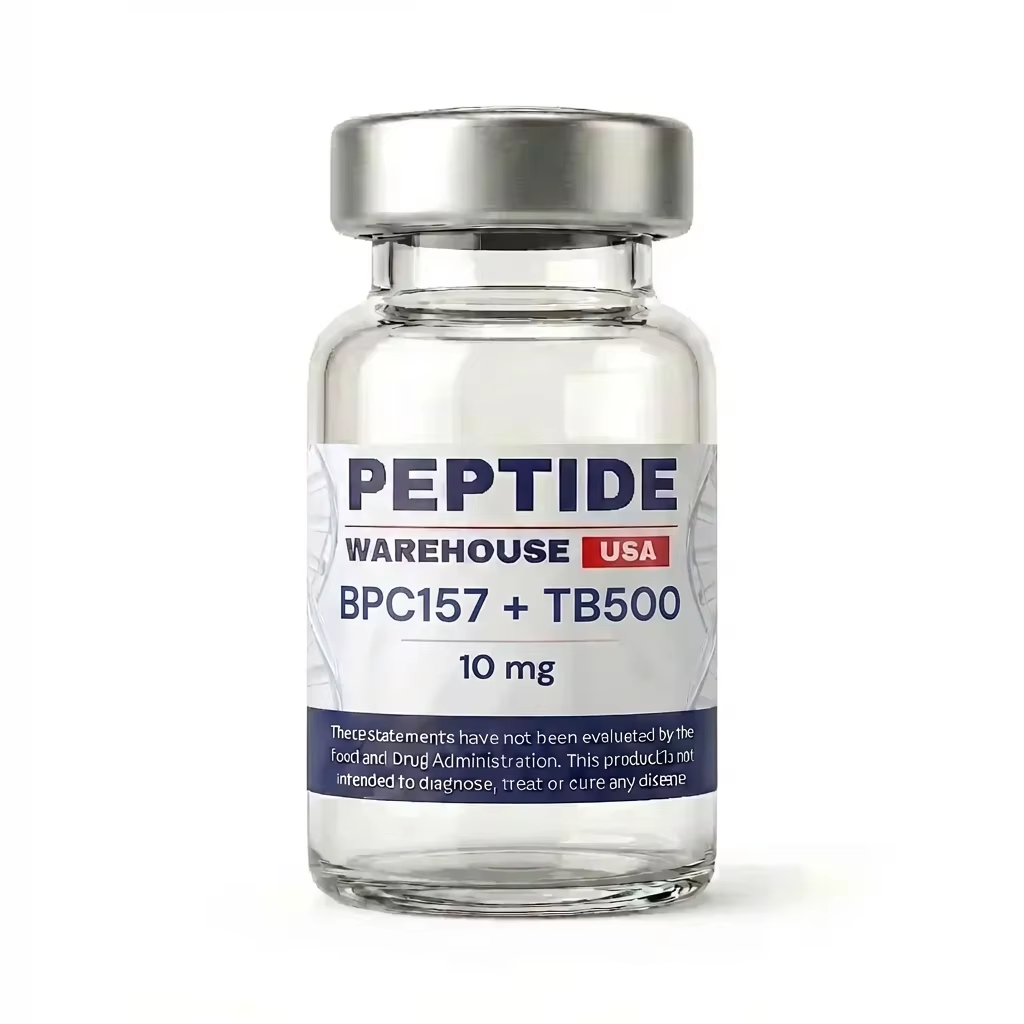


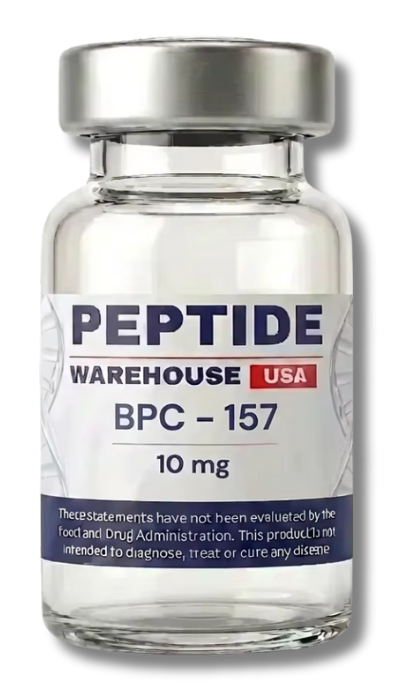
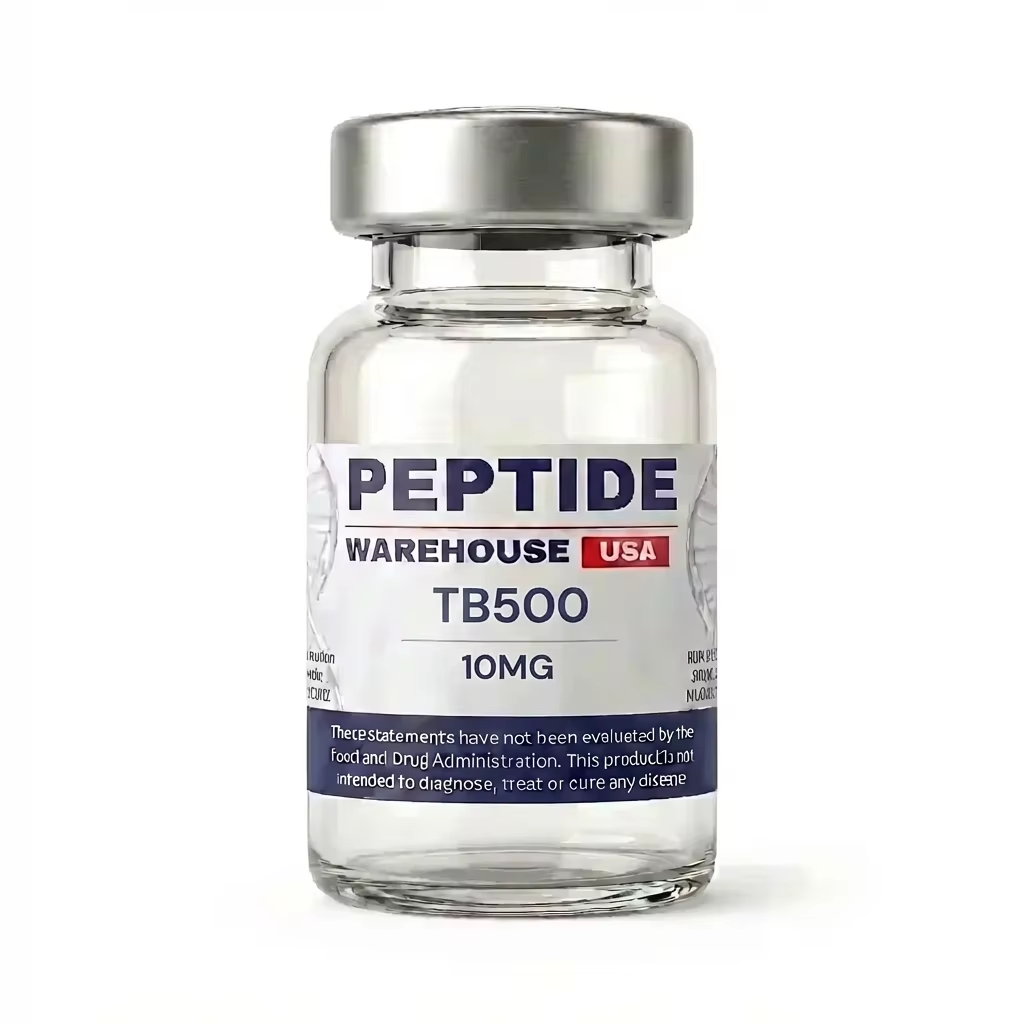
In peptide research, TB-500 and BPC-157 are two of the most commonly studied compounds in models related to tissue repair, cellular signaling, and recovery. While they are often mentioned together, they function through different biological pathways and are studied for distinct roles.
Understanding these differences is important when evaluating how each peptide is used in research settings.
This guide explains:
BPC-157 and TB-500 are both studied for tissue repair, but they differ in how they function.
BPC-157 is primarily associated with localized repair processes, particularly in tendon, ligament, and gut-related models. TB-500 is studied for systemic effects, supporting cell migration and tissue regeneration throughout the body.
👉 In simple terms:
BPC-157 is a synthetic peptide derived from a naturally occurring gastric protein. It consists of 15 amino acids and is widely studied in vitro for its role in:
Research involving BPC-157 often focuses on localized tissue models and cellular repair processes.
👉 Shop BPC-157 for research:
TB-500 is a synthetic version of a fragment of Thymosin Beta-4, a naturally occurring peptide found in many tissues. It is studied for its systemic effects in research models involving:
Unlike BPC-157, TB-500 is often associated with broader, systemic distribution in research studies.
👉 Browse research peptides:
https://peptidewarehouseusa.com/buy-research-peptides-usa/
There is no single “better” peptide in research contexts.
BPC-157 is typically studied in models involving:
TB-500 is more commonly studied in:
The choice depends on the specific research goal and the type of model being studied.
In research settings, these peptides are sometimes studied together due to their complementary mechanisms.
BPC-157 is associated with localized repair processes, while TB-500 is studied for broader systemic activity. Because of this, they are often discussed together in research focused on multi-pathway recovery.
These peptides are frequently paired because they operate through different biological pathways.
Together, they represent a more complete model for studying recovery processes across both targeted and whole-body systems.
In simplified research discussions:
This distinction is one of the main reasons both peptides are frequently analyzed together.
When sourcing peptides for research, quality and verification are critical. Always look for:
At Peptide Warehouse USA, all research peptides are tested and verified to ensure consistency and reliability.
Both TB-500 and BPC-157 are widely studied peptides with distinct roles in research models. While they are often grouped together, their differences in mechanism, scope, and application are important to understand.
Recognizing how each peptide functions allows for a more informed approach when evaluating research involving tissue repair and recovery.
👉 Shop high-purity research peptides:
👉 Learn more about the Wolverine Blend here →
https://peptidewarehouseusa.com/wolverine-blend-peptide-bpc-157-tb-500/